
THE HERBAL GARDEN
We all love plants for different reasons. Some people enjoy the continuous cycle of caring for their collection, while others may simply enjoy plants for aesthetic reasons. Head down to Balai Khazanah Islam to discover our collections of plants. You might be surprised to learn some unexpected benefits of our plants.
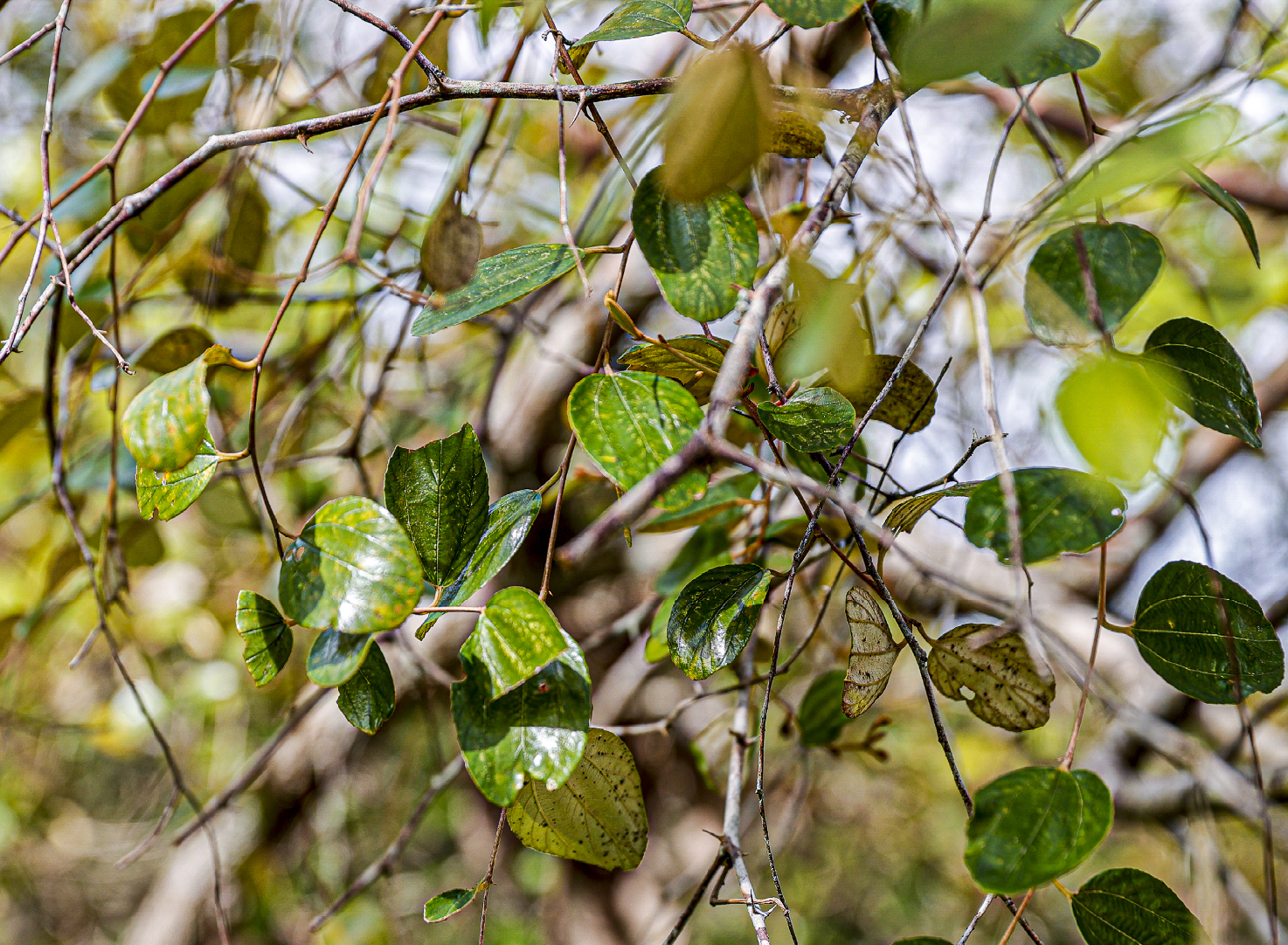
Ziziphus Mauritiana
Ziziphus Mauritiana, commonly known as Indian jujube, is a small to medium-sized tree reaching heights of up to 15 meters. It features a spreading crown and drooping branches. The leaves are ovate to oblong, glossy, and alternately arranged, with three prominent veins at the base…
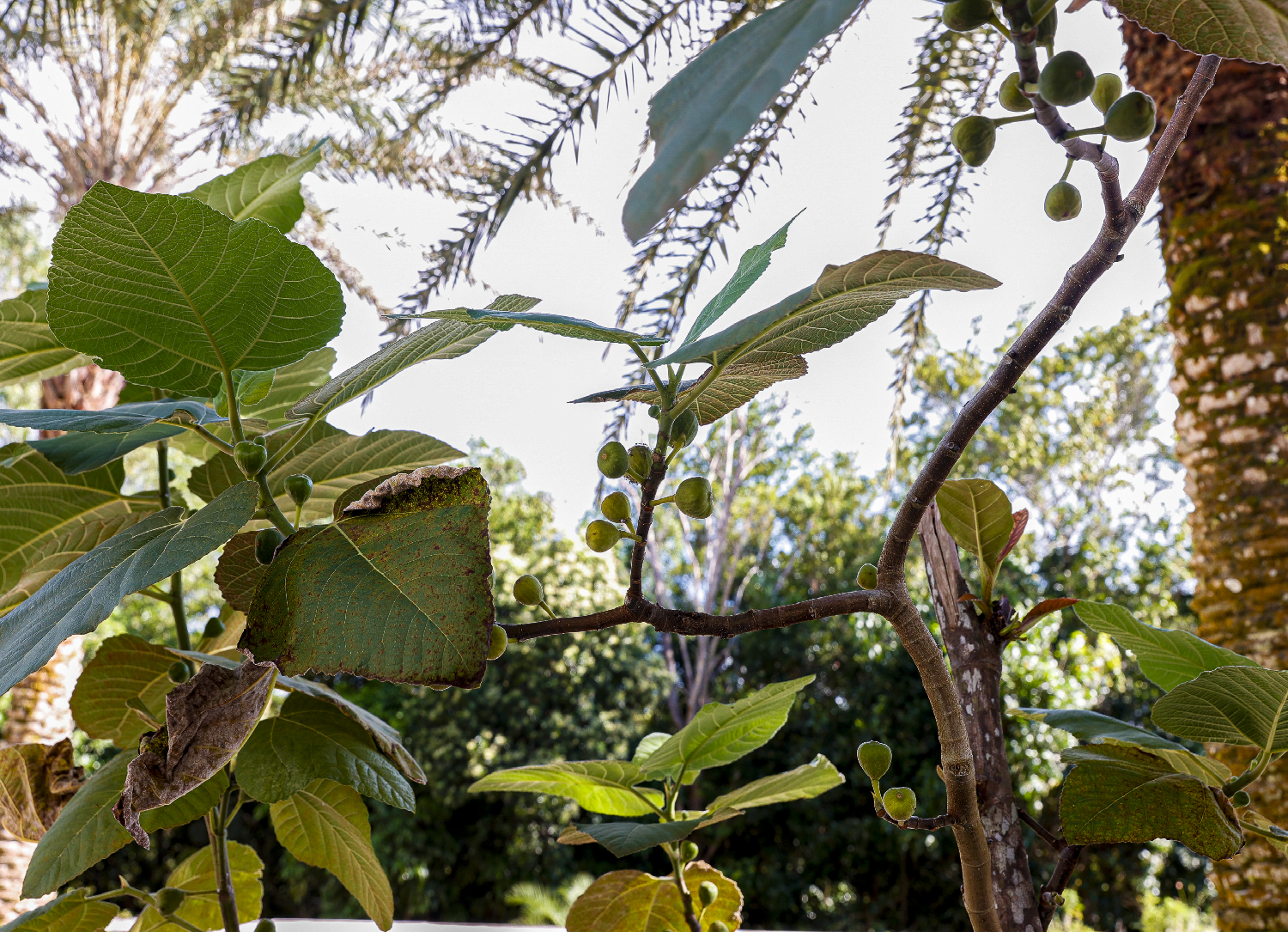
FICUS CARICA
Ficus carica, commonly known as the common fig, is a deciduous tree or large shrub that can grow up to 7–10 meters tall. It has smooth, gray bark and a dense, spreading canopy. The leaves are large, deeply lobed, and rough on the upper surface, providing a distinctive look…
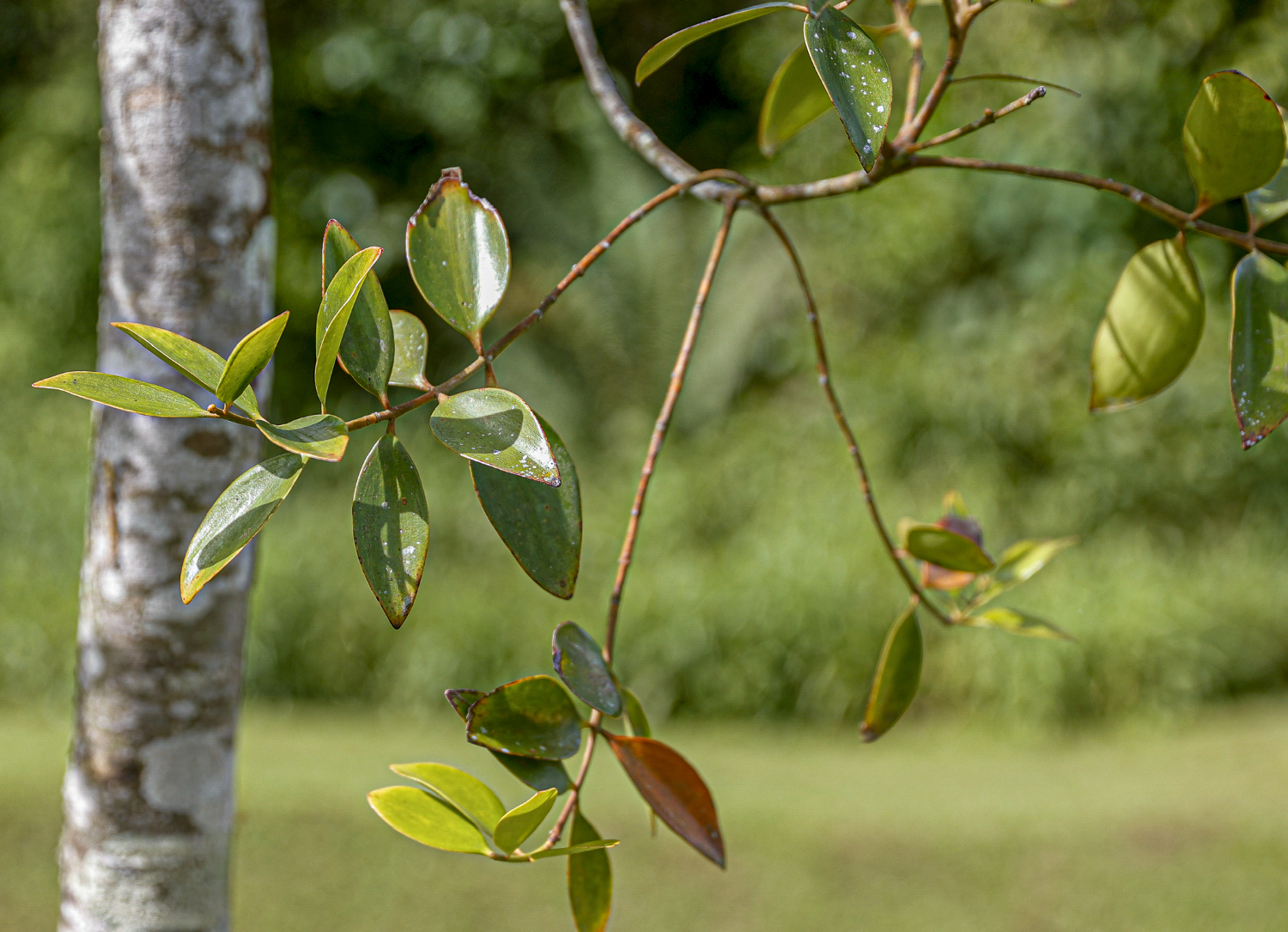
AGATHIS BORNEENSIS
Agathis borneensis is native to Borneo and parts of the Malay Peninsula. It typically grows in tropical rainforests, thriving in lowland and hill forests up to an altitude of about 900 meters. The tree prefers well-drained soils and is often found in primary forests.
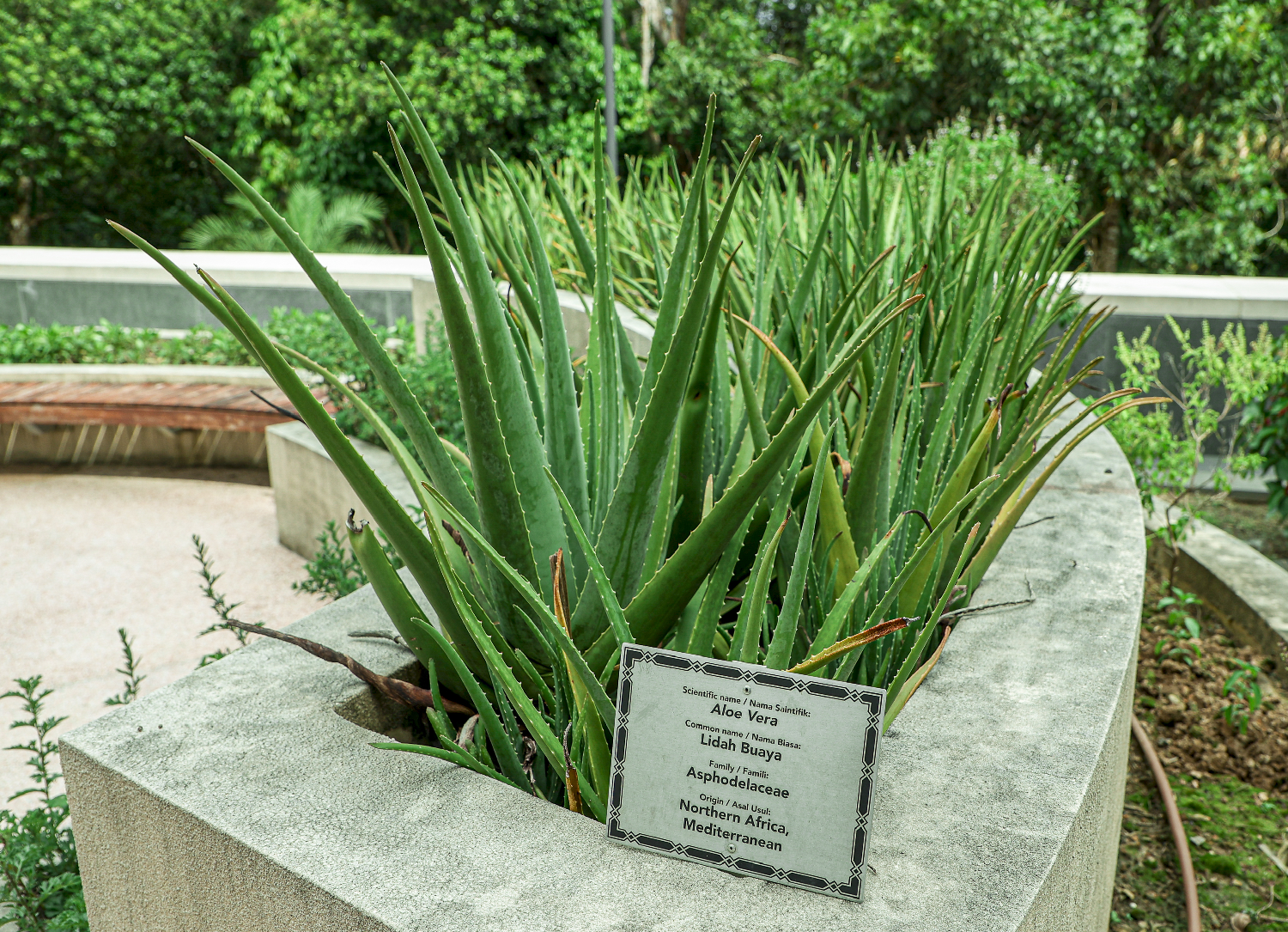
ALOE VERA
Aloe vera is a succulent plant characterized by its thick, fleshy, green to grey-green leaves. The leaves are lance-shaped with serrated edges and are arranged in a rosette pattern. The plant can grow up to 60–100 cm in height..
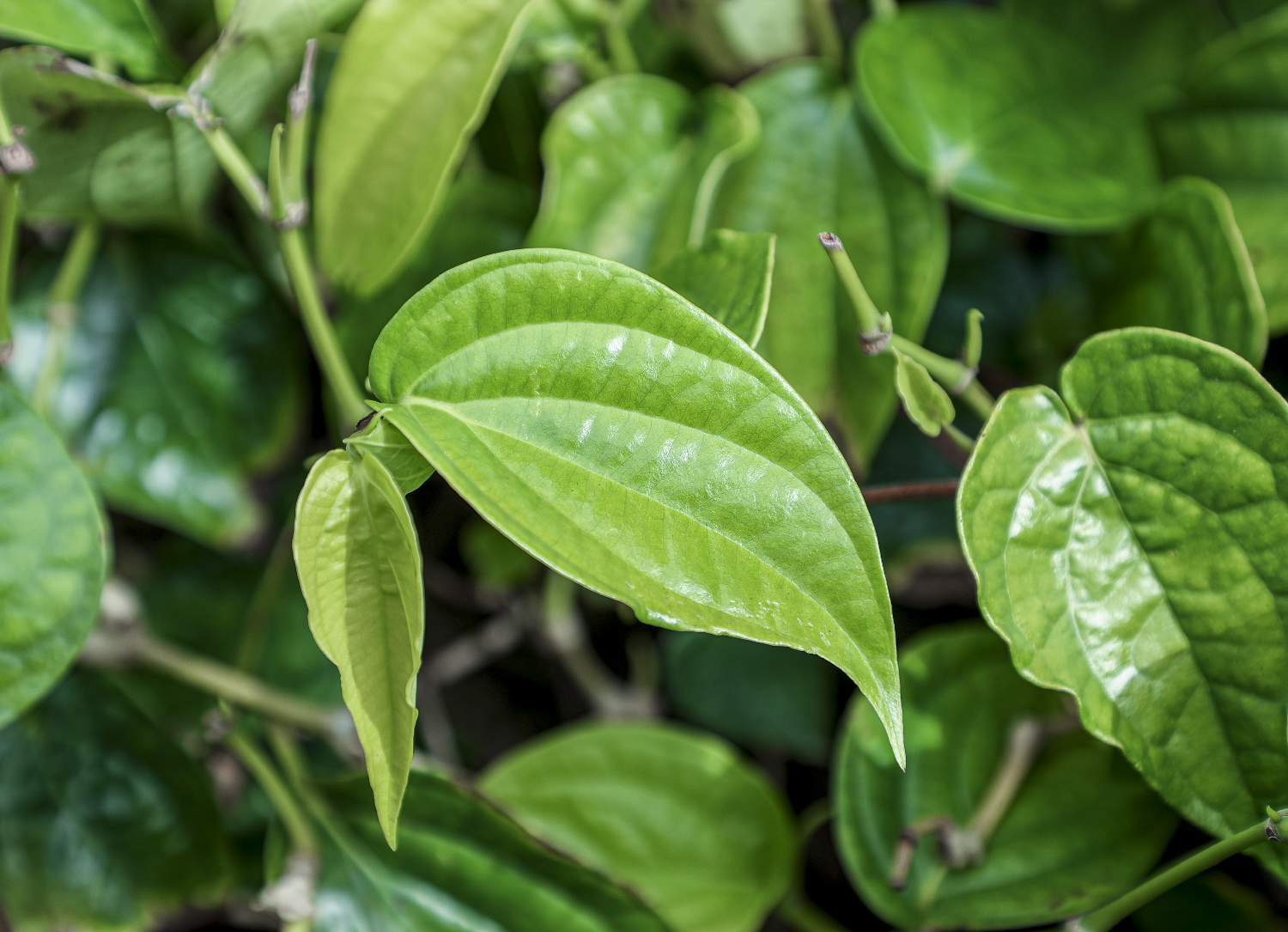
PIPER BETLE (BETEL LEAF)
Piper betle is a perennial, evergreen vine belonging to the Piperaceae family. The plant is characterized by its heart-shaped, glossy, and aromatic leaves. It climbs using adventitious roots and can reach lengths of up to 5 meters…
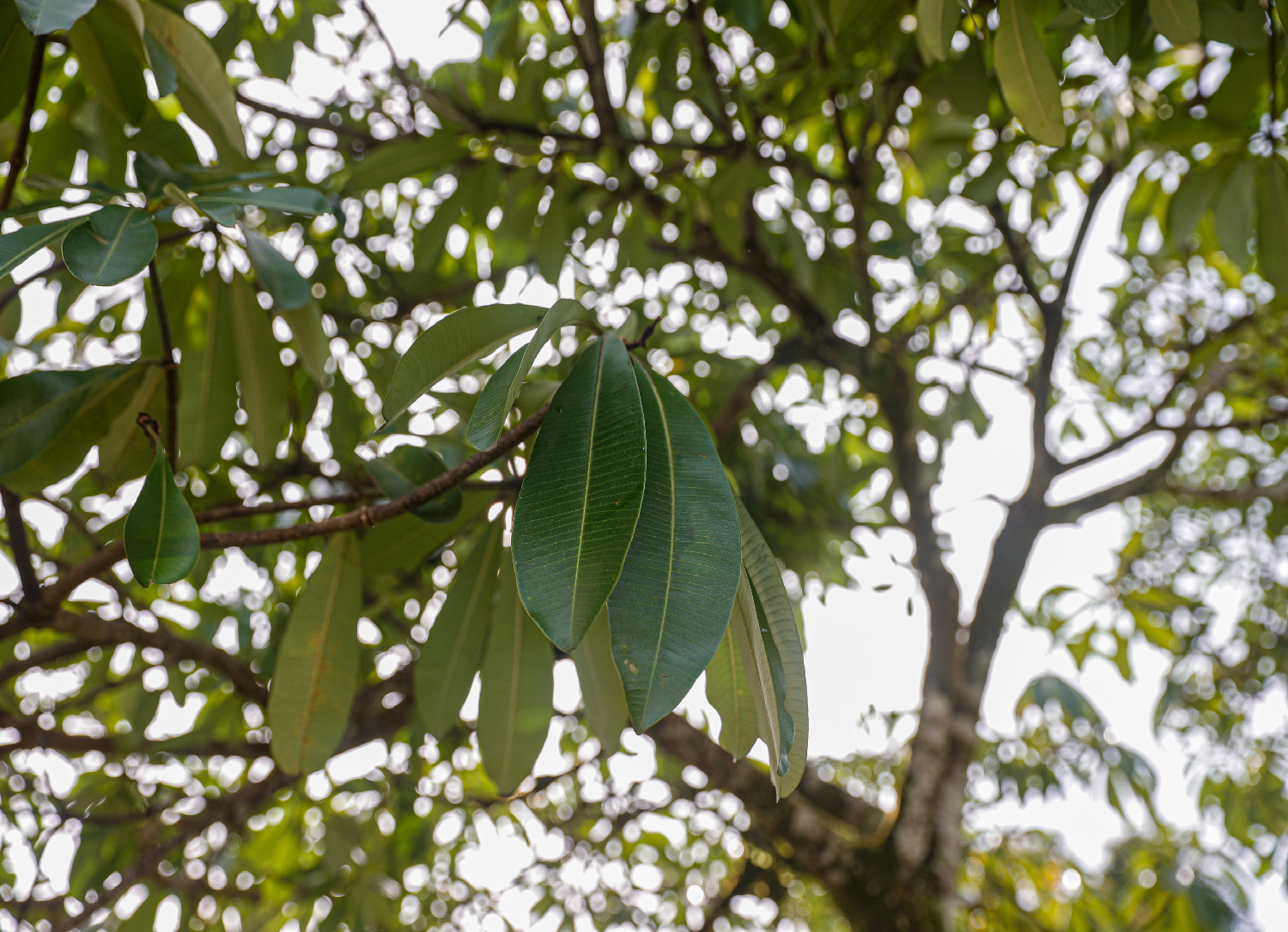
ALSTONA ANGUSTILOBA
Alstonia angustiloba, is a tree up to 40 m tall, with a pagoda-shaped crown, and tiered branching. It has bark dark grey, smooth when young, becoming slightly cracked when it gets older. The wood is pale yellow and soft. It is the preferred local food plant for caterpillars of the moths. Its flowers are also insect-pollinated.
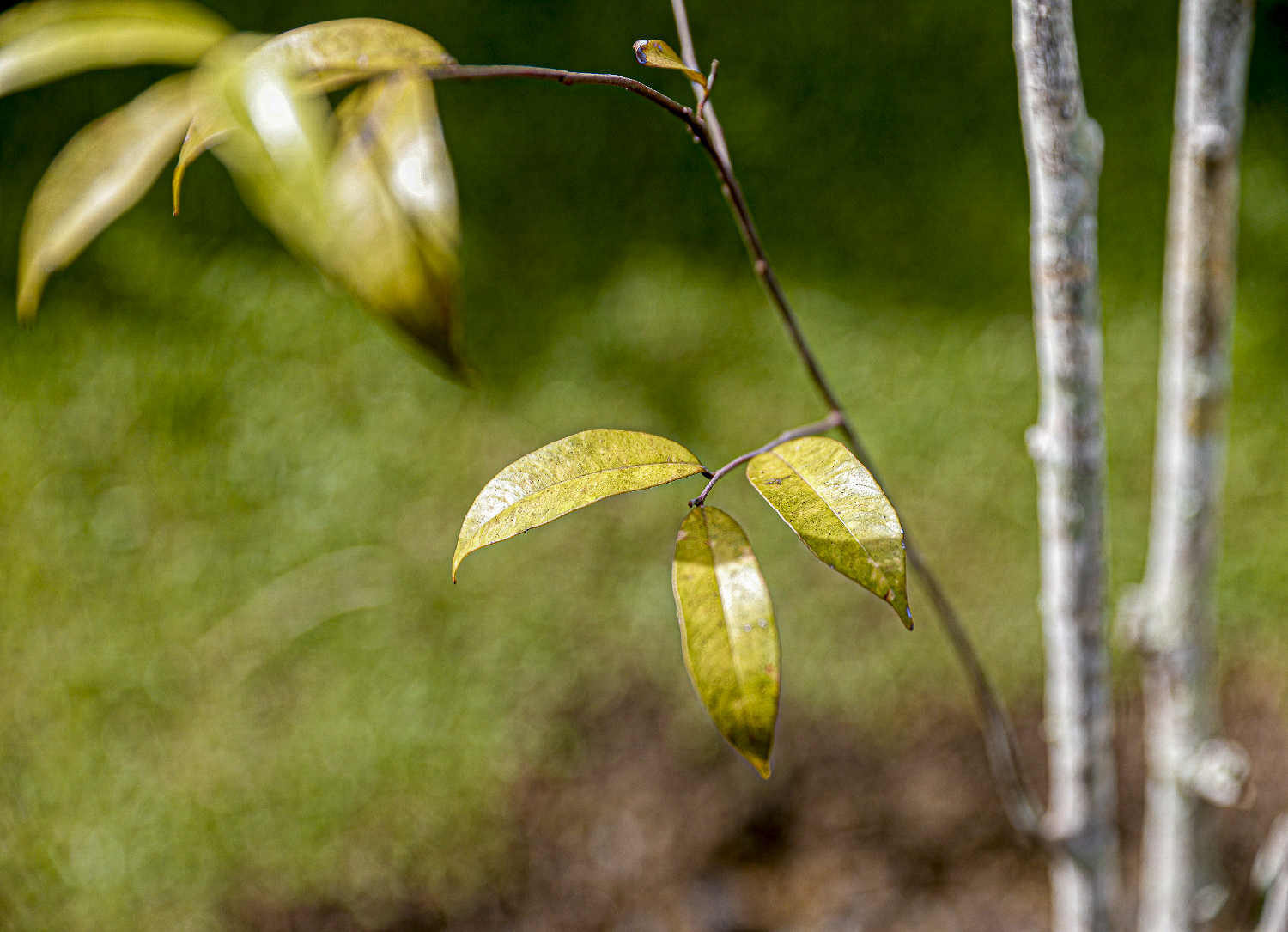
AQUILARIA MALACCENSIS
Aquilaria malaccensis, commonly known as agarwood, eaglewood, or gaharu, is a species of tree belonging to the family Thymelaeaceae. It is a medium to large evergreen tree, capable of reaching heights of up to 40 meters and diameters of 60 centimeters.
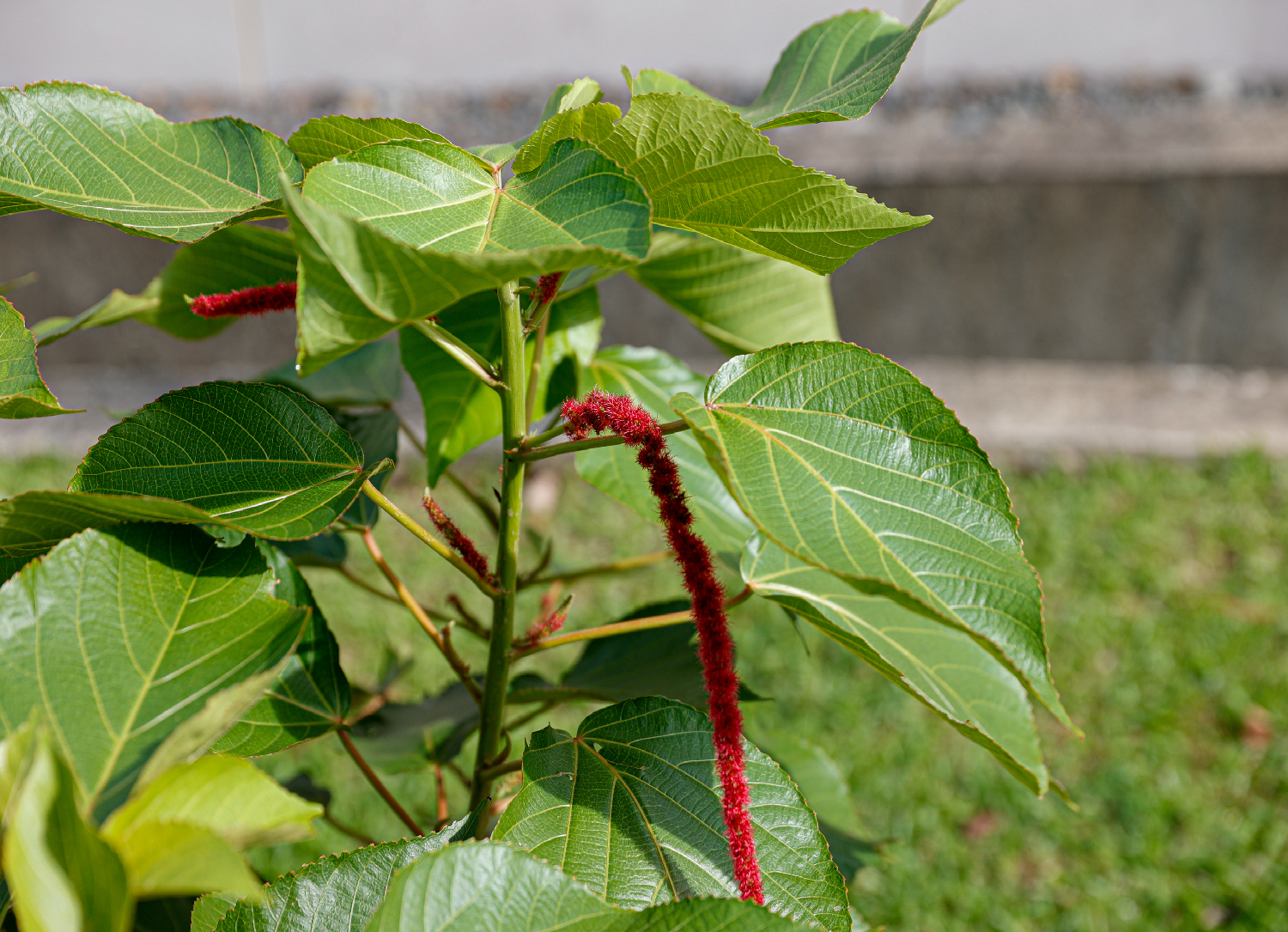
ACALYPHA HISPIDA
Acalypha Hispida, is a tropical shrub that produces soft and furry red pendulous flowers hanging down from the leaf axils, resembling strands of yarn or cat’s tail that can be as long as 45cm…
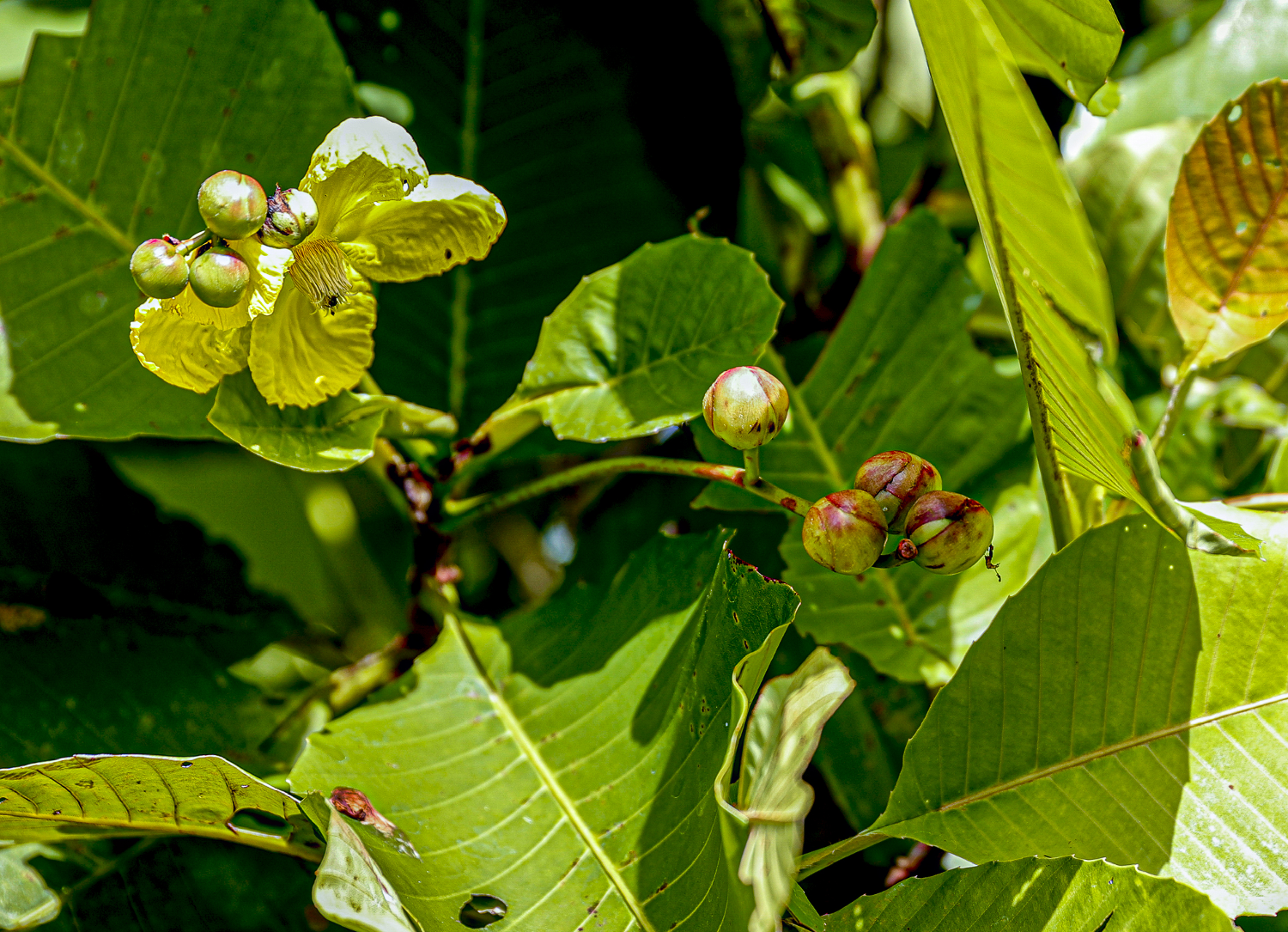
DILLENIA SUFFRUTICOSA
Simpur, belonging to the genus Dillenia, encompasses several species of evergreen trees and shrubs native to Southeast Asia. These plants are characterized by their glossy, leathery leaves, large and showy flowers, and distinctive fruits…
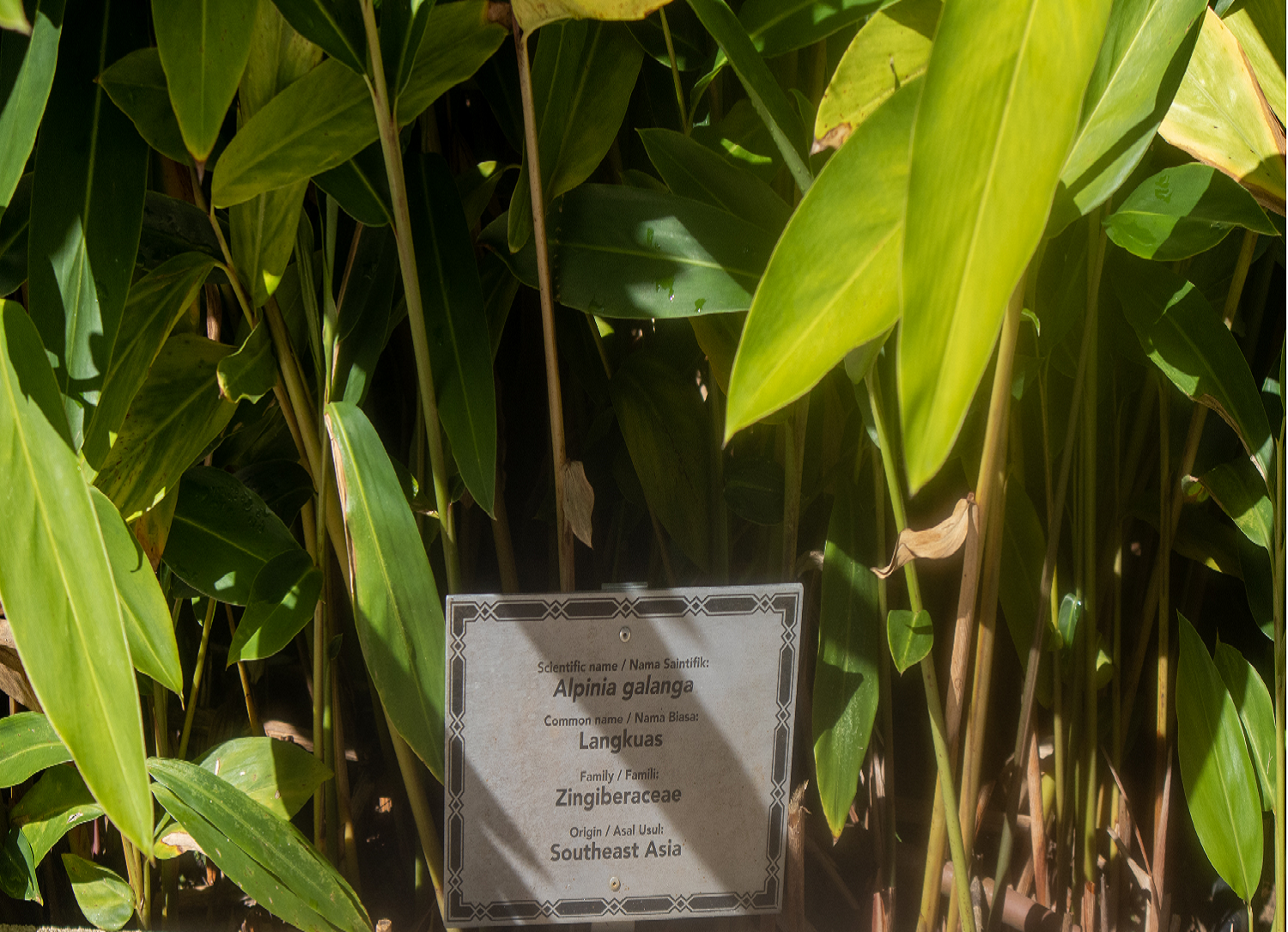
ALPINA GALANGA
lpinia galanga, or Lengkuas, is a large herbaceous plant that can grow up to 3.5 m in height. Its rhizome is a versatile ingredient used in Southeast Asian cuisine such as in lontong, rendang and spice mixes, imparting a zesty heat and complimentary note to other ingredients in recipes.
Ziziphus Mauritiana
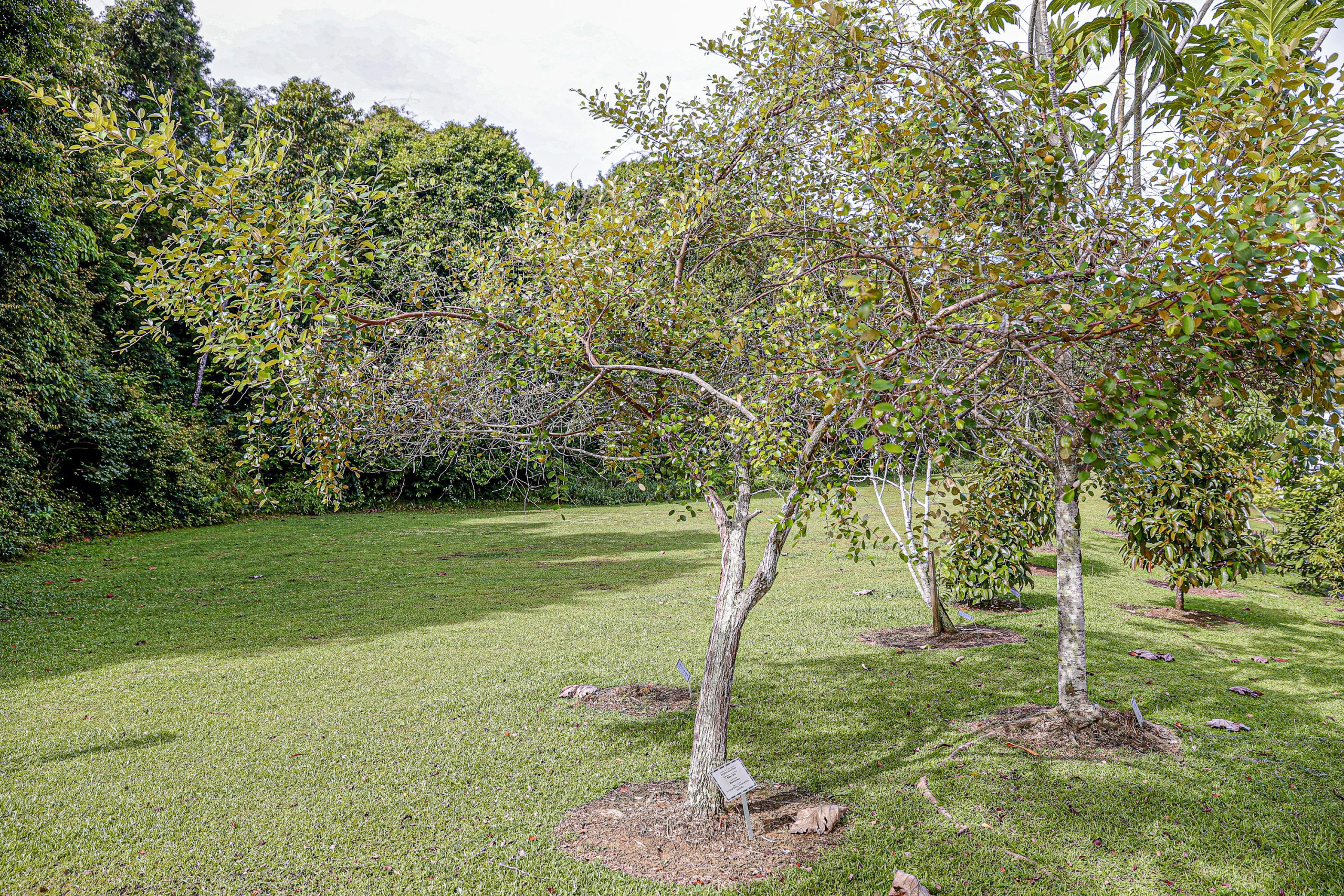
Ziziphus Mauritiana, commonly known as Indian jujube, is a small to medium-sized tree reaching heights of up to 15 meters. It features a spreading crown and drooping branches. The leaves are ovate to oblong, glossy, and alternately arranged, with three prominent veins at the base. The flowers are small, greenish-yellow, and borne in clusters. The fruit is a drupe, varying in shape from round to oval, with a smooth or slightly rough skin that turns yellow or reddish-brown when ripe. The pulp is white, crisp, and sweet to sour in taste, enclosing a single hard stone.
Taxonomy:
Kingdom: Plantae
Clade: Angiosperms
Clade: Eudicots
Order: Rosales
Family: Rhamnaceae
Genus: Ziziphus
Species: Ziziphus mauritiana
Habitat and Distribution:
Ziziphus mauritiana thrives in tropical and subtropical regions. It is native to South Asia but has spread to various parts of Africa, the Middle East, and the Pacific Islands. The tree is hardy and drought-resistant, often found in dry, arid, and semi-arid regions, commonly growing in sandy or stony soils.
Common Name:
English: Indian Jujube, Ber, Chinese Apple
Malay (Brunei): Bidara, Bidara Cina
Hindi: Ber
Chinese: 枣 (Zǎo)
Arab: سِدْر (Sidr)
Uses:
Edible Uses: The fruit is consumed fresh, dried, or processed into candies, pickles, and beverages. It is rich in vitamin C and other nutrients.
Wood: The wood is hard and durable, used for making furniture, tools, and construction materials.
Forage: The leaves and young shoots are used as fodder for livestock.
Medicinal Properties: Ziziphus mauritiana is known for its wide range of medicinal properties:
Antioxidant: The fruit contains high levels of antioxidants.
Antimicrobial: Extracts from the leaves, bark, and fruit exhibit antimicrobial activities.
Anti-inflammatory: Traditionally used to reduce inflammation and pain.
Digestive Aid: The fruit and leaves are used to treat digestive disorders.
Sedative: The seeds are known for their sedative properties and are used to treat insomnia and anxiety.
Uses in Islam:
In Islamic tradition, the leaves of Ziziphus mauritiana (bidara leaves) are used in various rituals:
Ritual Washing: The leaves are used in the ritual washing (ghusl) of the deceased before burial.
Protection: The leaves are sometimes used in religious practices for protection against evil spirits.
Fun Fact:
Bidara leaves can become a surprising source of protein, as they surpass the protein content found in many vegetables consumed by indigenous people in Borneo. This unexpected nutritional richness adds to the plant’s value as a dietary staple and highlights its potential as a sustainable source of protein in traditional diets.
Ficus carica
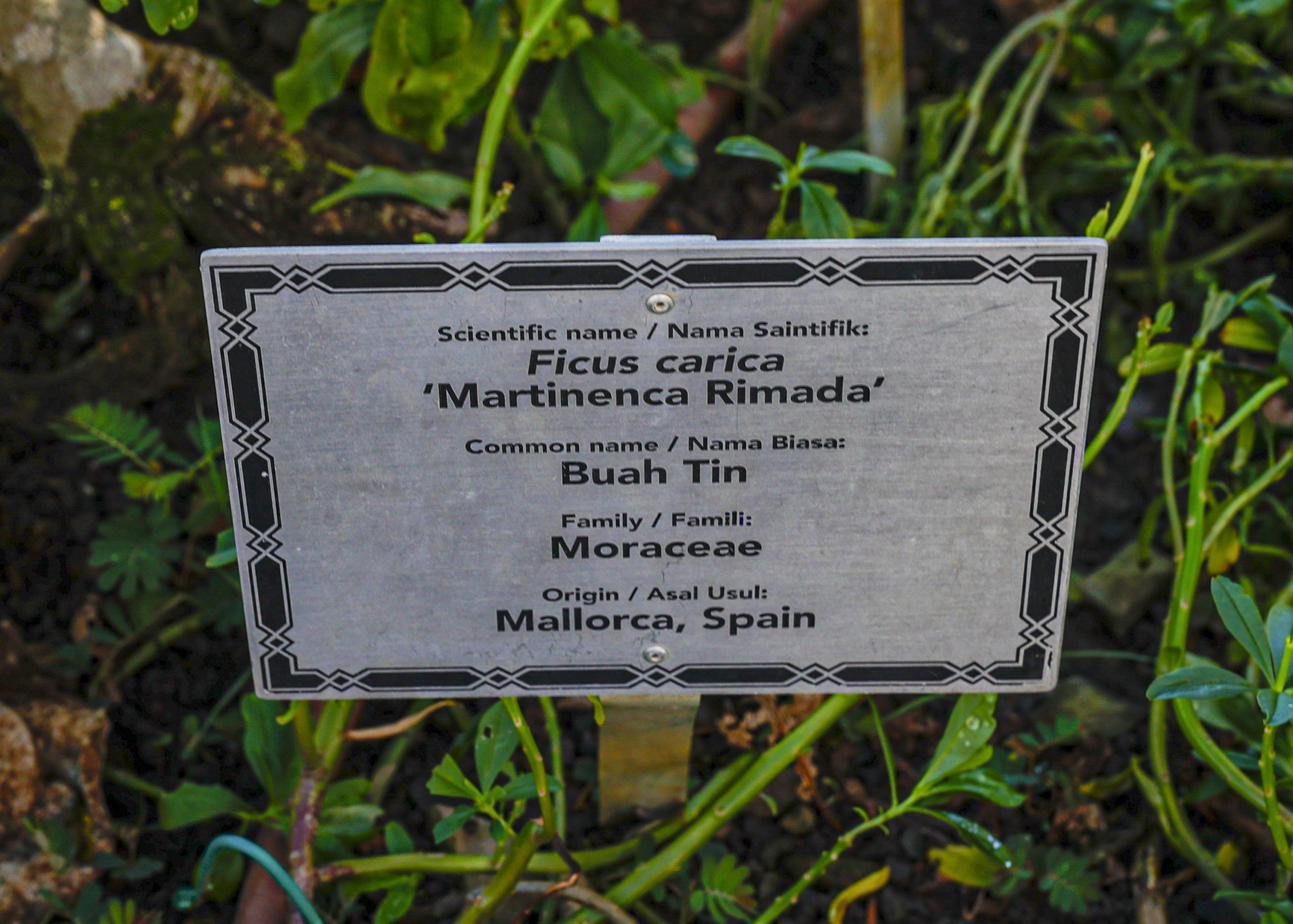
Ficus carica, commonly known as the common fig, is a deciduous tree or large shrub that can grow up to 7–10 meters tall. It has smooth, gray bark and a dense, spreading canopy. The leaves are large, deeply lobed, and rough on the upper surface, providing a distinctive look. The tree produces unique inflorescences called syconia, which mature into edible figs. These figs are pear-shaped and can vary in color from green to purple or brown when ripe. The flesh inside is sweet and contains numerous small seeds.
Taxonomy
Kingdom: Plantae
Clade: Angiosperms
Clade: Eudicots
Order: Rosales
Family: Moraceae
Genus: Ficus
Species: Ficus carica
Habitat and Distribution:
Ficus carica is native to the Middle East and Western Asia. It has been cultivated since ancient times and is now widely grown in temperate regions around the world, including the Mediterranean, parts of Asia, and the Americas. The tree prefers warm climates and is often found in rocky and dry areas, thriving in well-drained soils and full sunlight.
Common Names
English: Common Fig
Malay (Brunei): Pokok Ara, Buah Ara
Arabic: تين (Tin)
French: Figuier
Italian: Fico
Uses
Edible Uses: The fruit of Ficus carica is consumed fresh or dried and is used in various culinary dishes, including desserts, salads, and baked goods. It is also processed into jams, preserves, and beverages.
Wood: The wood of the fig tree is used in various local crafts and for fuel.
Ornamental: The tree is often planted for ornamental purposes in gardens and parks due to its attractive foliage and fruit.
Medicinal Properties
Ficus carica has been traditionally used for its medicinal properties, which include:
Digestive Aid: The fruit is known to help with digestive issues such as constipation due to its high fiber content.
Anti-inflammatory: The latex from the tree has been used to treat skin inflammations and warts.
Antioxidant: The fruit contains antioxidants that help in reducing oxidative stress.
Blood Pressure Regulation: The potassium content in figs helps to maintain blood pressure levels.
Respiratory Health: The leaves and fruit are used in traditional remedies for respiratory conditions like bronchitis and coughs.
Uses in Islam
In Islamic tradition, the fig is considered a blessed fruit. It is mentioned in the Quran, specifically in Surah At-Tin (The Fig), highlighting its significance.
Fun Fact
Ficus carica has a unique pollination system involving fig wasps. Each fig variety is typically pollinated by its own specific wasp species in a mutualistic relationship that has evolved over millions of years.
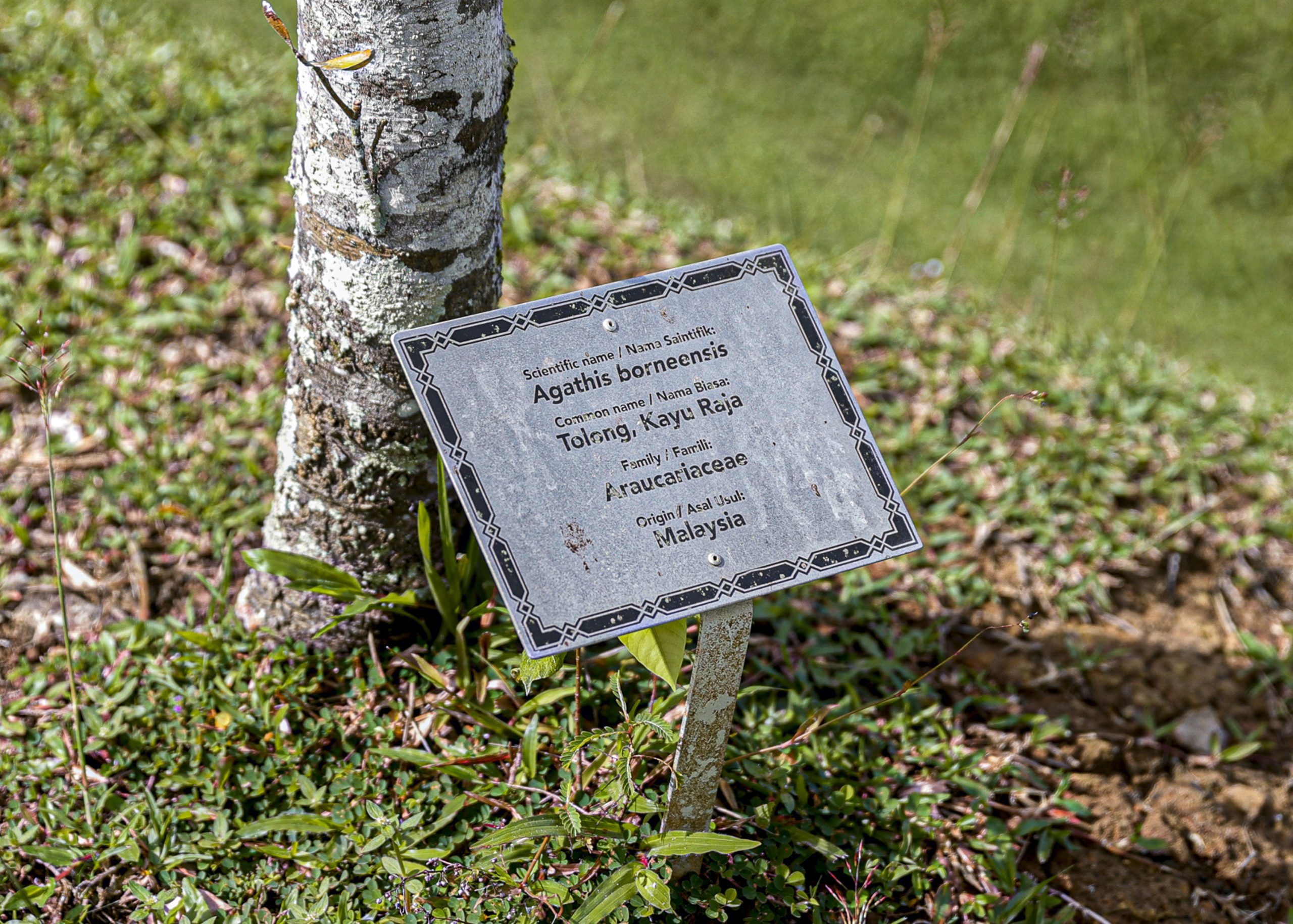
Agathis borneensis
Taxonomy
Kingdom: Plantae
Clade: Gymnosperms
Order: Pinales
Family: Araucariaceae
Genus: Agathis
Species: Agathis borneensis
Common Names
English: Borneo Kauri, Borneo Agathis
Malay (Brunei): Tolong, Kayu Raja, Entolong, Damar Minyak
Habitat and Distribution
Agathis borneensis is native to Borneo and parts of the Malay Peninsula. It typically grows in tropical rainforests, thriving in lowland and hill forests up to an altitude of about 900 meters. The tree prefers well-drained soils and is often found in primary forests.
Uses
Timber: The wood of Agathis borneensis is highly valued for its straight grain, durability, and resistance to termites. It is used in construction, furniture making, and shipbuilding.
Resin: The tree produces a high-quality resin known as “dammar,” which is used in varnishes, adhesives, and incense.
Ornamental: Due to its impressive size and form, the tree is sometimes planted in parks and large gardens.
Medicinal Properties
While Agathis borneensis is not widely known for its medicinal properties, the resin (dammar) has traditional uses, including:
Antiseptic: Dammar has been used in traditional medicine for its antiseptic properties.
Wound Healing: The resin is applied to wounds and sores to promote healing.
Uses in Islam
There are no specific references to Agathis borneensis in Islamic texts.
Fun Fact
Agathis borneensis is a member of the Araucariaceae family, which includes some of the tallest and oldest living tree species in the world. The Borneo kauri itself is known for its majestic height and straight trunk, making it a significant presence in the tropical forests of Borneo.
Aloe vera
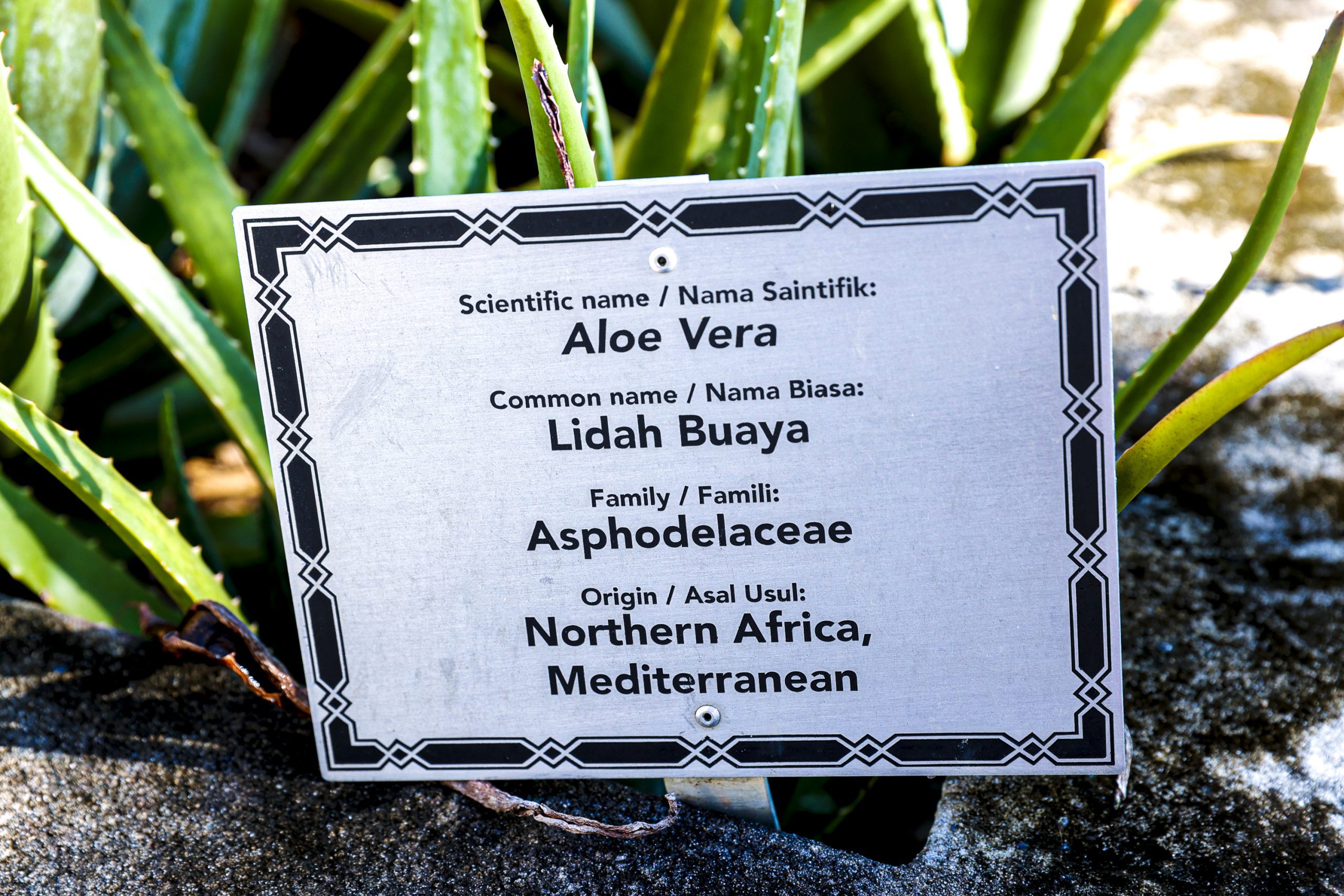
Aloe vera is a succulent plant characterized by its thick, fleshy, green to grey-green leaves. The leaves are lance-shaped with serrated edges and are arranged in a rosette pattern. The plant can grow up to 60–100 cm in height. The leaves contain a clear gel that is widely known for its soothing and healing properties. Aloe vera produces tubular, yellow to orange flowers on a spike that can reach up to 90 cm in height.
Taxonomy
Kingdom: Plantae
Clade: Angiosperms
Order: Asparagales
Family: Asphodelaceae
Genus: Aloe
Species: Aloe vera
Common Names
English: Aloe vera, True Aloe, Medicinal Aloe
Malay (Brunei): Lidah Buaya
Spanish: Sábila
Hindi: Ghritkumari
Arabic: صَبِر (Sabr)
Habitat and Distribution
Aloe vera is believed to have originated in the Arabian Peninsula but is now widely cultivated around the world, particularly in tropical, semi-tropical, and arid climates. It thrives in well-drained, sandy soils and requires minimal rainfall. The plant is highly tolerant of drought conditions and is commonly grown in regions such as Africa, India, China, and the Mediterranean.
Uses
- Cosmetic and Skincare: Aloe vera gel is a common ingredient in skincare products due to its moisturizing and soothing properties. It is used in lotions, creams, and ointments to treat burns, cuts, and various skin conditions.
- Food and Beverage: The gel and juice of Aloe vera are used in various health drinks and supplements, claimed to have digestive and detoxifying benefits.
- Ornamental: Aloe vera is also grown as an ornamental plant due to its attractive foliage and flowers.
Medicinal Properties
Aloe vera has a long history of medicinal use, including:
Skin Healing: The gel is widely used to treat burns, sunburns, and minor wounds due to its cooling and soothing properties.
Anti-inflammatory: Aloe vera contains compounds that reduce inflammation, making it useful for treating skin conditions such as eczema and psoriasis.
Digestive Health: Aloe vera juice is known to aid in digestion and relieve constipation.
Antimicrobial: The plant has antibacterial and antifungal properties, making it effective against various infections.
Immune Support: Aloe vera contains antioxidants that boost the immune system.
Uses in Islam
In Islamic tradition, Aloe vera is valued for its healing properties and is often used in traditional medicine. It is mentioned in various Hadiths and is known for its benefits in treating skin conditions and digestive issues.
Fun Fact
Aloe vera has been used for medicinal purposes for over 6,000 years. It was referred to as the “plant of immortality” by the ancient Egyptians and was used in the embalming process of pharaohs.
Aquilaria malaccensis
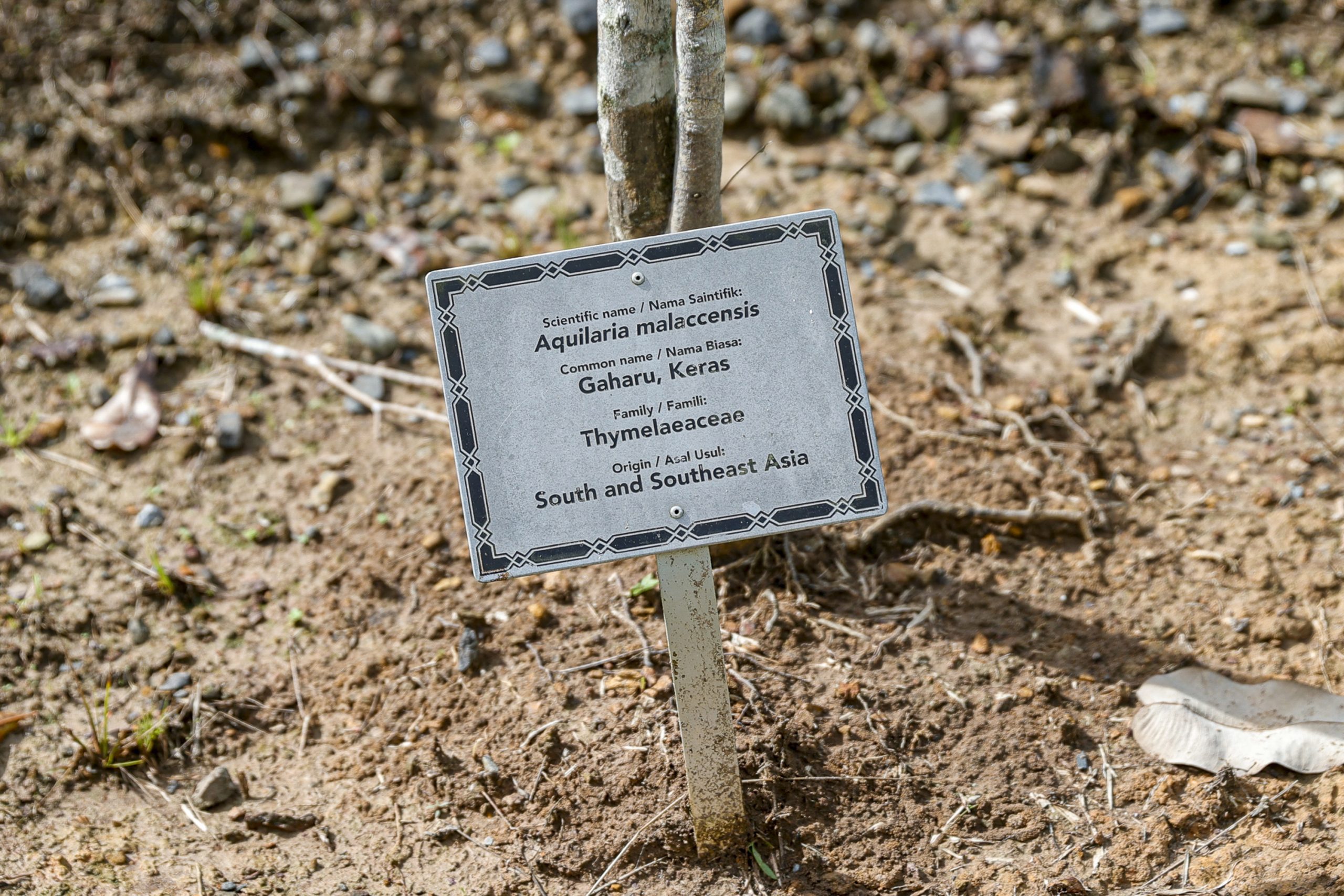
Aquilaria malaccensis, commonly known as agarwood, eaglewood, or gaharu, is a species of tree belonging to the family Thymelaeaceae. It is a medium to large evergreen tree, capable of reaching heights of up to 40 meters and diameters of 60 centimeters. The bark is smooth and pale gray, while the leaves are simple, alternate, and lanceolate, with a glossy green surface.
Taxonomy:
- Kingdom: Plantae
- Clade: Angiosperms
- Order: Malvales
- Family: Thymelaeaceae
- Genus: Aquilaria
- Species: Aquilaria malaccensis
Distribution and Habitat:
Aquilaria malaccensis is native to the rainforests of Southeast Asia, particularly found in Malaysia, Indonesia, Thailand, and parts of India. It thrives in tropical climates, often in lowland forests and hilly regions up to an elevation of 1000 meters. The tree prefers well-drained soils and is often found in primary forests.
Uses:
- Incense and Perfume: The resin-infused wood is highly valued for its rich, complex aroma and is used in high-quality incense and perfumes.
- Traditional Medicine: Gaharu has been used in various traditional medicines, including Ayurvedic, Tibetan, and traditional Chinese medicine, for its purported health benefits.
- Cultural and Religious Ceremonies: The wood and its extracts are used in many cultural and religious rituals across Asia and the Middle East.
Medicinal Properties:
Aquilaria malaccensis has a long history of medicinal use, including:
- Aromatherapy: The oil extracted from agarwood is believed to have calming and meditative properties, aiding in relaxation and stress relief.
- Digestive Health: In traditional medicine, it is used to treat digestive issues and improve appetite.
- Anti-inflammatory: Gaharu is believed to have anti-inflammatory properties and is used to treat various inflammatory conditions.
- Antimicrobial: It has been used for its antibacterial and antifungal properties.
Uses in Islam:
In Islamic tradition, agarwood is highly valued and is often burned as incense during religious ceremonies. It is mentioned in various Hadiths and is considered one of the best fragrances for use in religious contexts.
Fun Fact:
Agarwood is one of the most expensive natural raw materials in the world. The high value of gaharu is due to the rarity of the resin, which only forms in a small percentage of Aquilaria trees and often takes years to develop. The resin’s fragrance is highly prized in perfumery, incense, and traditional medicines.
Dillenia suffruticosa
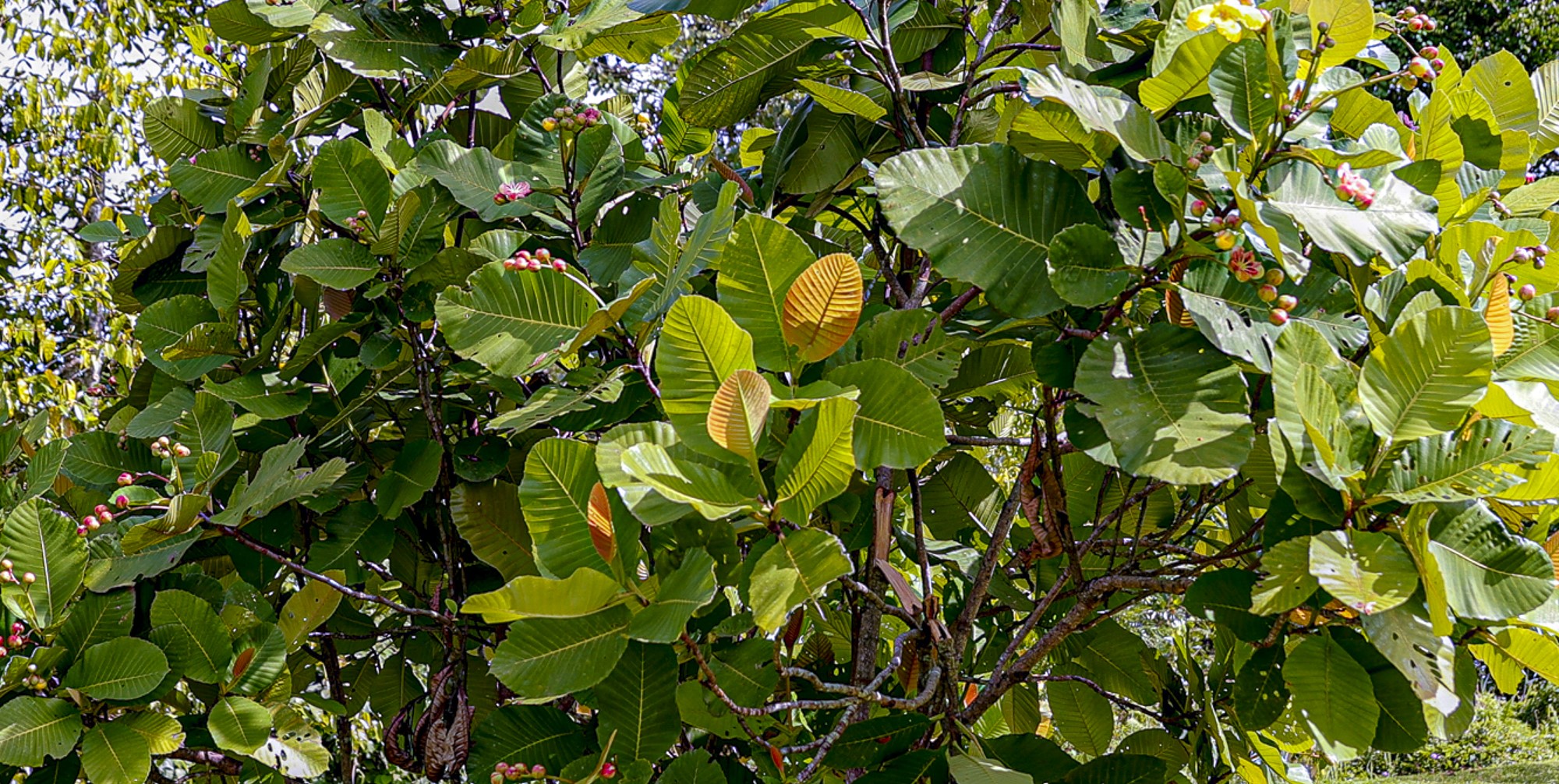
Simpur, belonging to the genus Dillenia, encompasses several species of evergreen trees and shrubs native to Southeast Asia. These plants are characterized by their glossy, leathery leaves, large and showy flowers, and distinctive fruits. Simpur trees can vary in size depending on the species, with some growing into large trees while others remain as shrubs.
Taxonomy:
- Kingdom: Plantae
- Clade: Angiosperms
- Order: Dilleniales
- Family: Dilleniaceae
- Genus: Dillenia
- Species: Several species within the genus Dillenia are referred to as simpur, including Dillenia suffruticosa, Dillenia excelsa, and Dillenia reticulata.
Common Names:
- Brunei: Simpur
- Malay: Simpur
Habitat and Distribution:
Simpur species are typically found in tropical rainforests and lowland areas across Southeast Asia, including Brunei, Indonesia, Malaysia, Thailand, and the Philippines. They prefer moist, well-drained soils and are often found near rivers or in areas with high humidity.
Uses:
- Ornamental: Simpur trees are valued for their attractive foliage and showy flowers, making them popular choices for landscaping and ornamental gardens.
- Timber: The wood of some simpur species may be used in local carpentry or for making small wooden items.
- Traditional Medicine: Various parts of simpur plants have been used in traditional medicine for their purported medicinal properties.
Medicinal Properties:
- Simpur plants have been traditionally used in Southeast Asian folk medicine for various purposes, including treating skin conditions, digestive issues, and respiratory ailments. However, specific medicinal properties and uses may vary depending on local traditions and practices.
Uses in Islam:
There are no specific references to simpur in Islamic texts. However, plants and trees, in general, are valued in Islamic tradition for their natural beauty and as signs of Allah’s creation.
Fun Fact:
In Brunei, Simpur is considered a national flower and is featured on the country’s currency and official emblems. It holds cultural significance and is often celebrated in local folklore and traditions.
Piper betle (Betel Leaf)
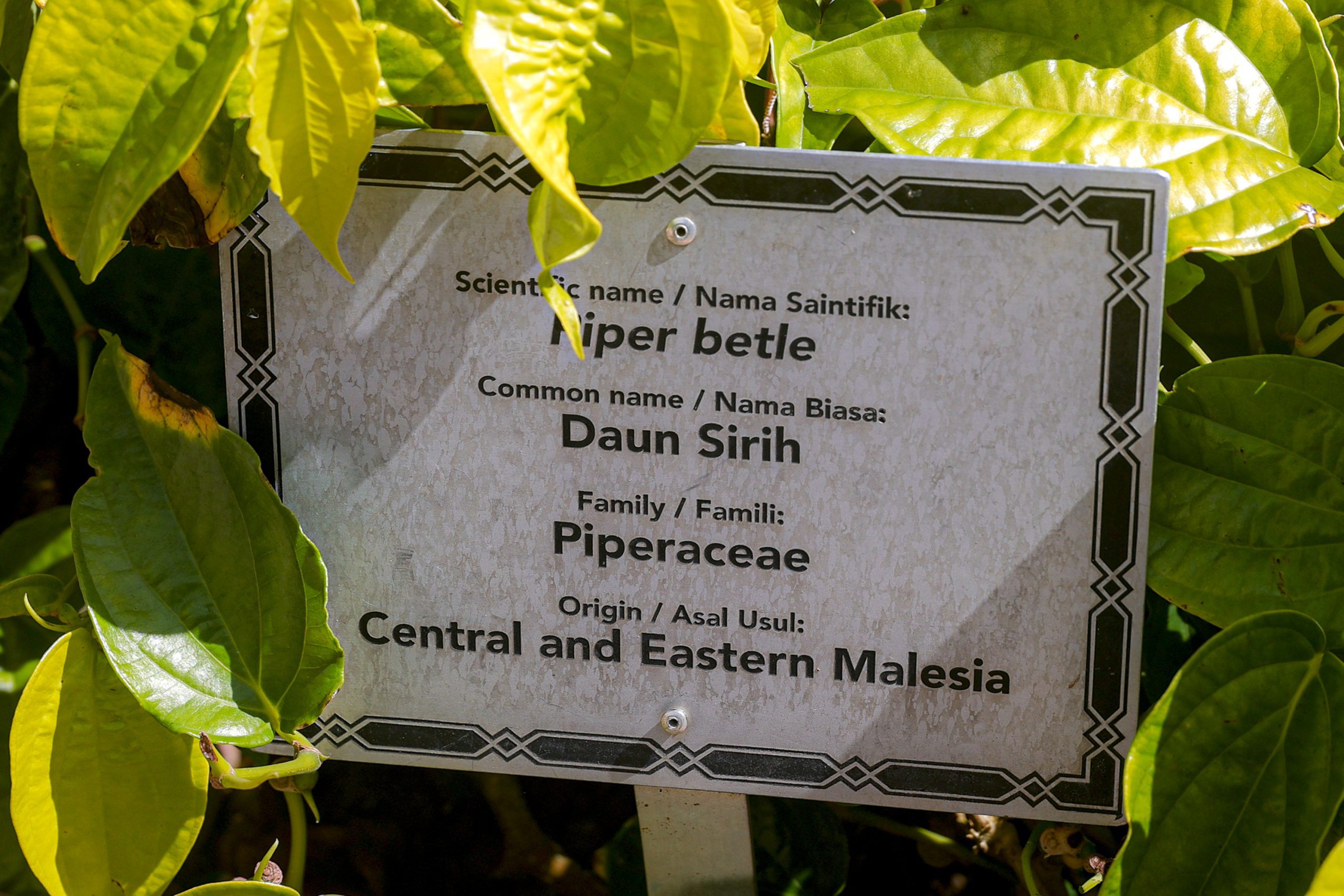
Piper betle is a perennial, evergreen vine belonging to the Piperaceae family. The plant is characterized by its heart-shaped, glossy, and aromatic leaves. It climbs using adventitious roots and can reach lengths of up to 5 meters. The leaves are alternate, simple, and cordate, with a distinct pungent aroma when crushed.
Taxonomy:
- Kingdom: Plantae
- Clade: Angiosperms
- Order: Piperales
- Family: Piperaceae
- Genus: Piper
- Species: Piper betle
Common Names:
- English: Betel Leaf
- Malay (Brunei): Daun Sirih
- Indonesian: Daun Sirih
- Chinese: 蒌叶 (Lóu yè)
Habitat and Distribution:
Piper betle is native to Southeast Asia and thrives in tropical climates. It grows well in warm, humid conditions with well-drained soils. The plant is commonly found in countries like India, Sri Lanka, Malaysia, Indonesia, Thailand, Vietnam, and the Philippines.
Uses:
- Culinary: Betel leaves are often chewed with areca nut and lime, a practice known as “betel quid” or “paan.” This mixture is a mild stimulant and has cultural significance in many Asian countries.
- Medicinal: The leaves are used in traditional medicine for their antiseptic, anti-inflammatory, and digestive properties. They can be applied topically for wounds and infections or consumed to aid digestion and relieve respiratory issues.
- Cultural Practices: Betel leaves play an essential role in various cultural and religious ceremonies across Southeast Asia. They are often used in traditional rituals, celebrations, and as offerings.
Medicinal Properties:
- Antiseptic: Betel leaves contain essential oils with antiseptic properties, making them effective in treating wounds and infections.
- Anti-inflammatory: The leaves are used to reduce inflammation and treat conditions like arthritis and sore throats.
- Digestive Aid: Chewing betel leaves stimulates saliva production and digestive enzymes, aiding digestion and preventing bloating.
Uses in Islam:
While betel leaves are not specifically mentioned in Islamic texts, they are widely used in regions with significant Muslim populations. The consumption and use of betel leaves are generally accepted as long as it does not lead to intoxication or harm.
Fun Fact:
In Brunei, betel leaf, or “daun sirih,” holds cultural importance and is often used in traditional ceremonies and social gatherings. Offering “sirih pinang” (betel quid) to guests is a sign of respect and hospitality. This practice involves wrapping slices of areca nut and a bit of slaked lime in a betel leaf, sometimes with added spices for flavor. It is believed to freshen the breath and provide a mild stimulating effect.
Acalypha Hispida
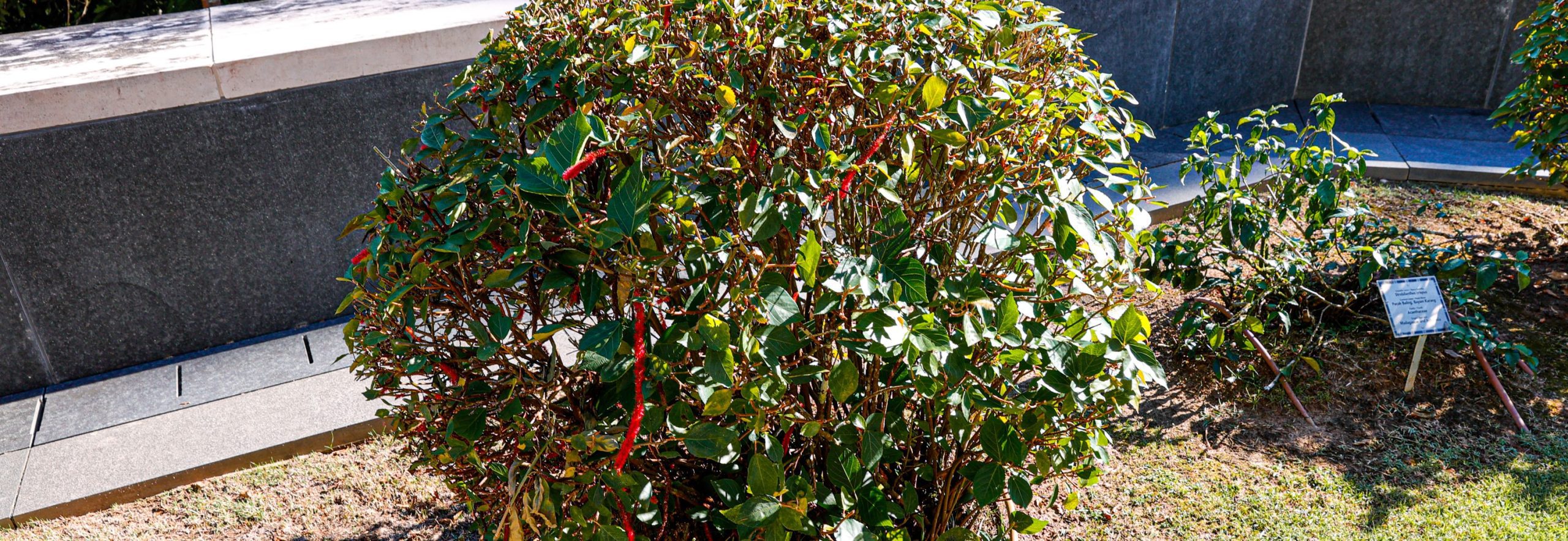
Acalypha Hispida, is a tropical shrub that produces soft and furry red pendulous flowers hanging down from the leaf axils, resembling strands of yarn or cat’s tail that can be as long as 45cm. It is easy to grow to a large shrub but can be maintained as a small plant by regular pruning, best planted on the ground as accent plant or grown in elevated containers.
Taxonomy :
- Family : Euphorbiaceae
Common name :
- Malay : Ekor kucing
Habitat & Distribution :
Acalypha hispida thrives in tropical region. It is native to Malesia and New Guinea.
Uses :
Traditionally the leaves are laxative, diuretic and used in the treatment of leprosy and gonorrhea. Different part of the plant is also used in infectious diarrhoea, pulmonary problems and as an expectorant in asthma.
Alpinia Galanga
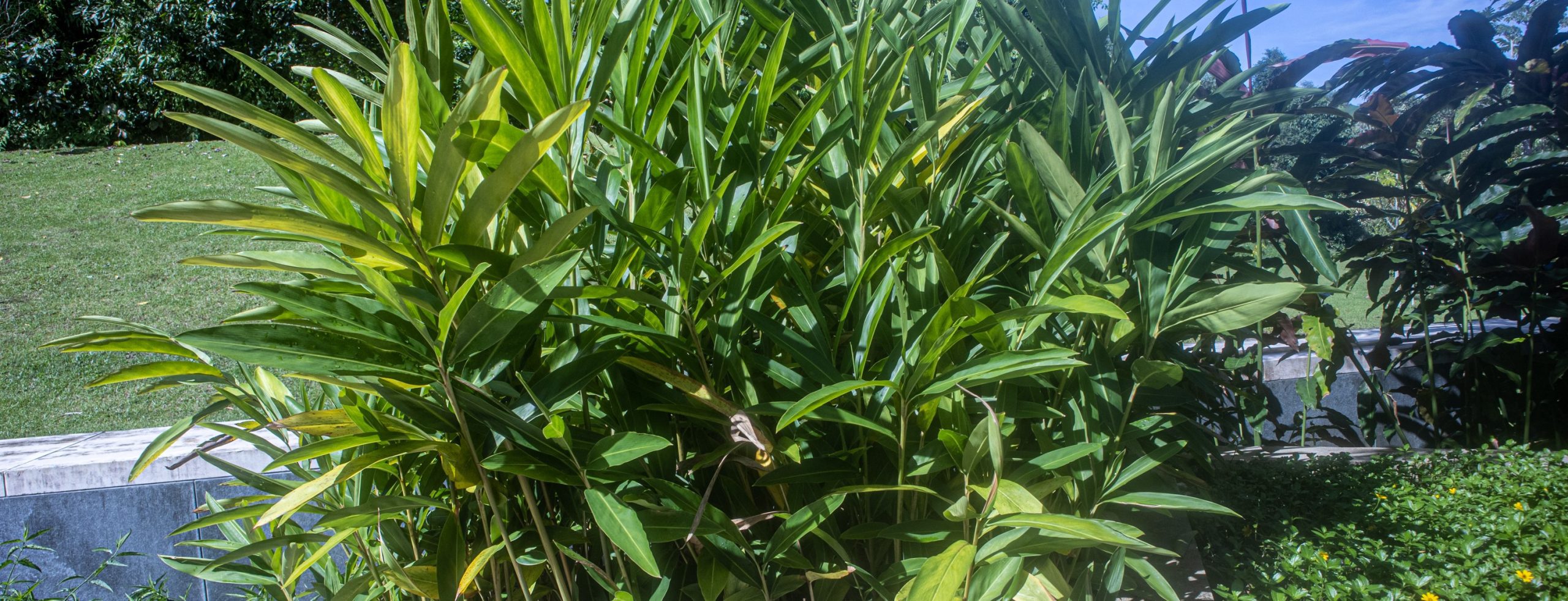
Alpinia galanga, or Lengkuas, is a large herbaceous plant that can grow up to 3.5 m in height. Its rhizome is a versatile ingredient used in Southeast Asian cuisine such as in lontong, rendang and spice mixes, imparting a zesty heat and complimentary note to other ingredients in recipes. The Lengkuas also produce fragrant and edible yellow-white flowers that are eaten as vegetable.
Taxonomy :
- Family : Zingiberaceae
Common Name :
- Malay : Lengkuas
- English : Siamese Ginger
Habitat & Distribution :
Alpinia galanga is natively distributed in Southeast Asia countries.
Uses :
- Food (Herb or Spice) : The rhizome has a sharp, spicy flavor which is popular in Southeast Asian cuisine. It is finely blended with other spices to make a paste for dishes like laksa an curries.
- Food (Fruit or Vegetable) : The flowers are young shoots are steamed and consumed as a vegetable.
- Medicinal : In Peninsular Malaysia, the seeds are used in traditional medicine to treat vomiting, herpes, colic and diarrhoea. The Filipinos prepare a leaf decoction to treat rheumatism. In Java, the pounded rhizome is applied to wounds and sores.
Alstonia Angustiloba
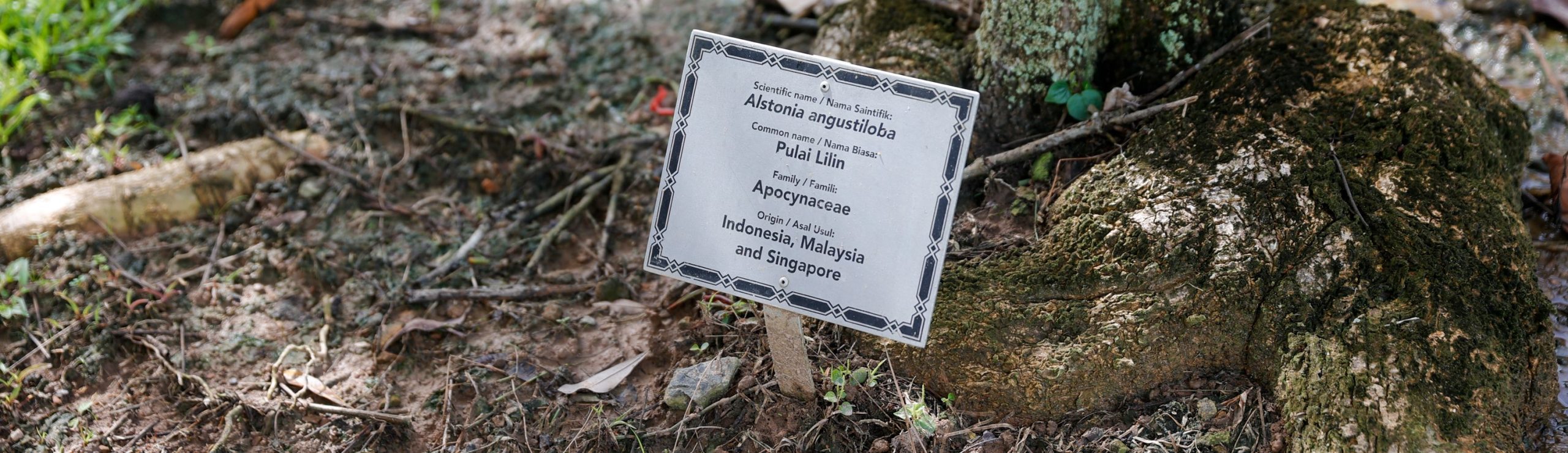
Alstonia angustiloba, is a tree up to 40 m tall, with a pagoda-shaped crown, and tiered branching. It has bark dark grey, smooth when young, becoming slightly cracked when it gets older. The wood is pale yellow and soft. It is the preferred local food plant for caterpillars of the moths. Its flowers are also insect-pollinated.
Taxonomy :
- Family : Apocynaceae
Common name :
- Malay : Pulai, Pulai Lilin
- Indonesia : Pulai Hitam
Habitat & Distribution :
Alstonia angustiloba thrive in tropical regions. It is natively distributed in Sumatra, Peninsular Malaysia, Singapore, Borneo and Java. Often found in Primary Rainforest, Secondary Rainforest, Freshwater Swamp Forest.
Uses :
- Timber & Products : The soft wood is used in making floor boards, household items, matches and posts.
Traditional Medicinal Properties :
In Southeast Asia countries like Malaysia and Indonesia, the plant is used in traditional medicine to treat headaches, skin sores and gynecological problems.
It is important to note that some therapeutic effects from traditional medicinal uses of plants are not currently supported or verified by scientific research. As all Apocynaceae species, contain white, milky sap which can cause an allergic reaction especially for those with sensitive skin.