
BKISHHB_RafieRoslan-59
BKISHHB_RafieRoslan-55
BKISHHB_RafieRoslan-58
BKISHHB_RafieRoslan-56
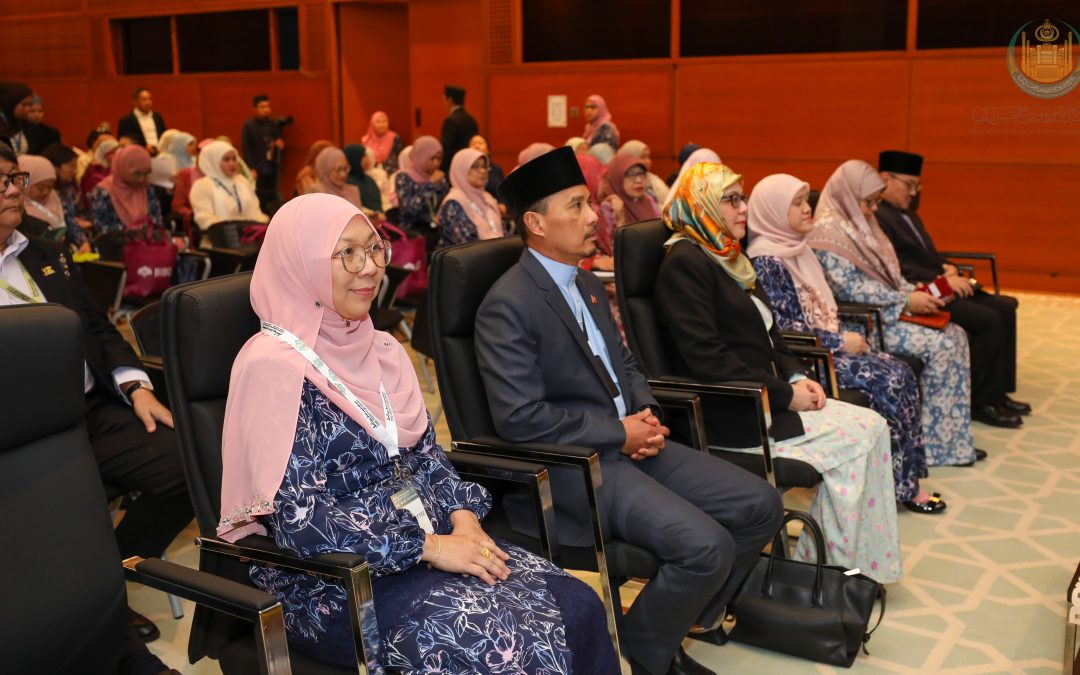
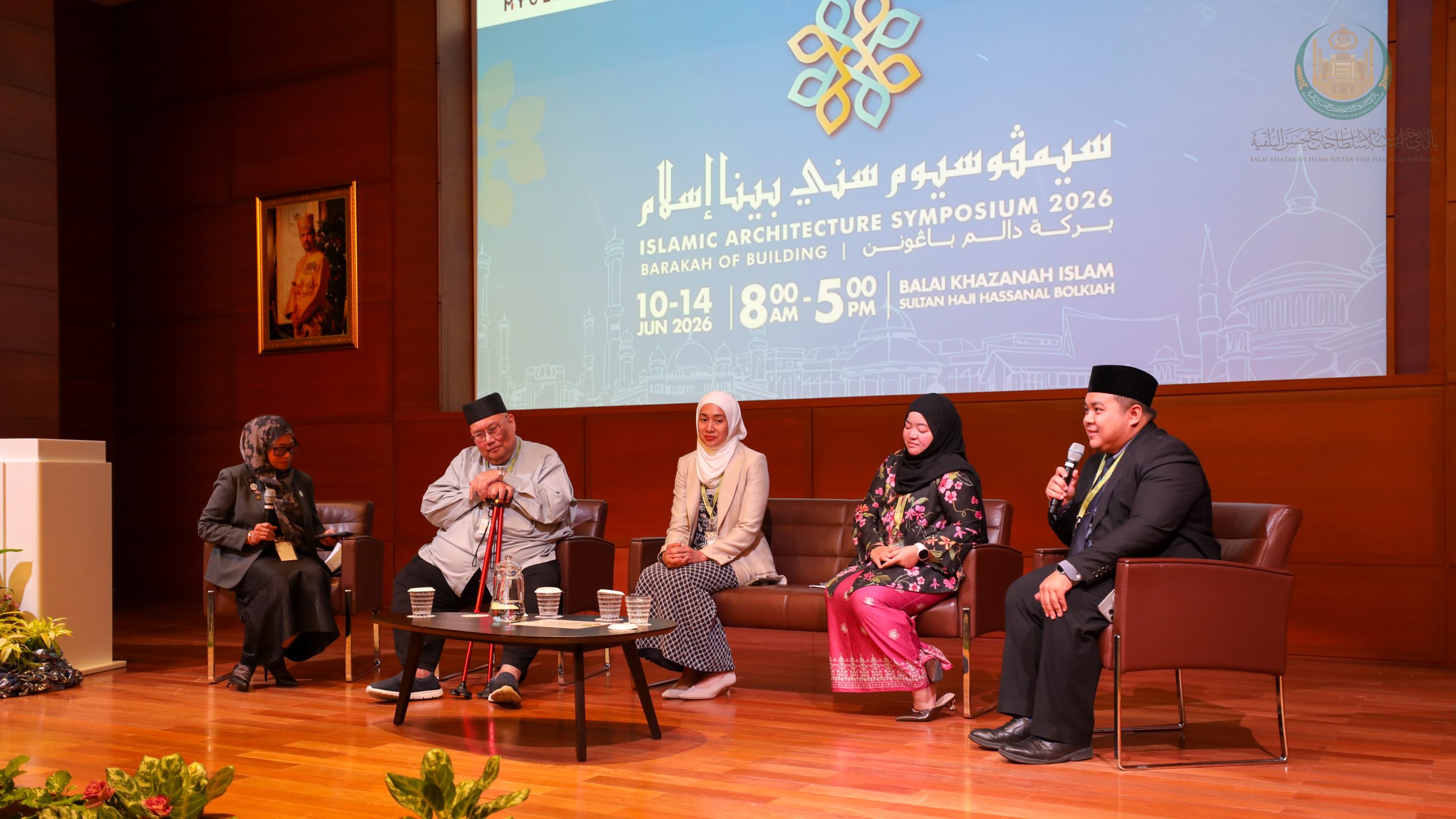
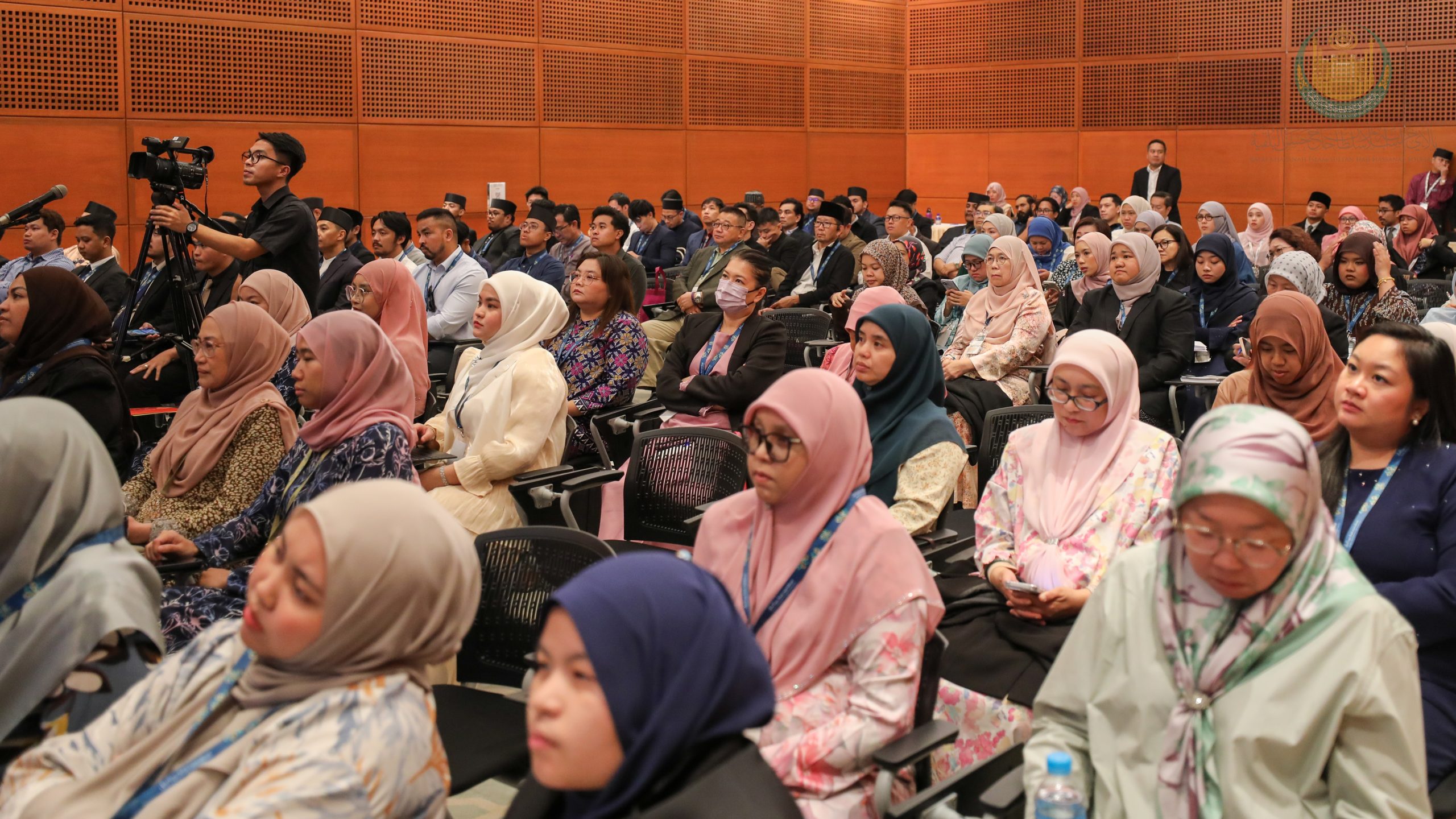
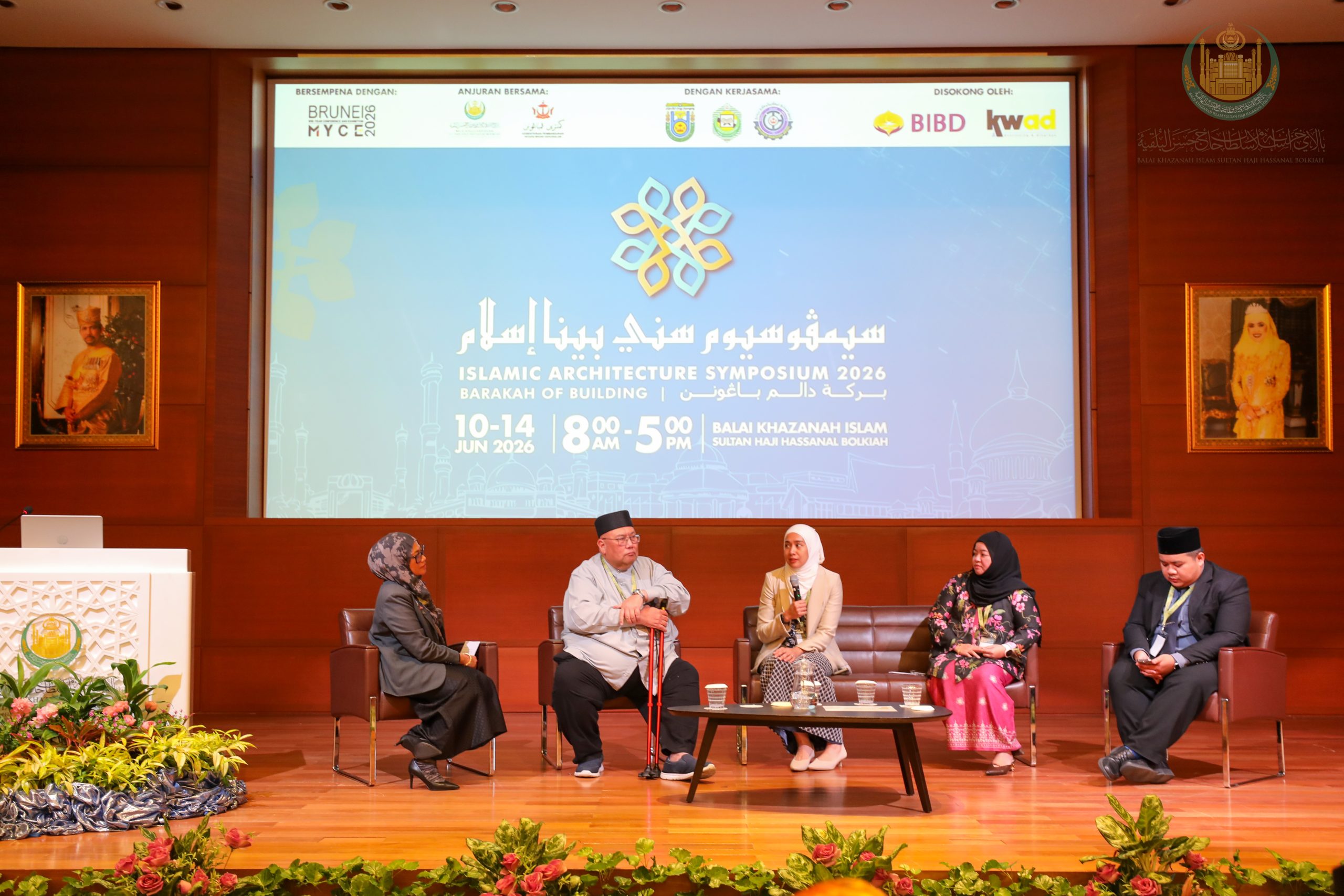
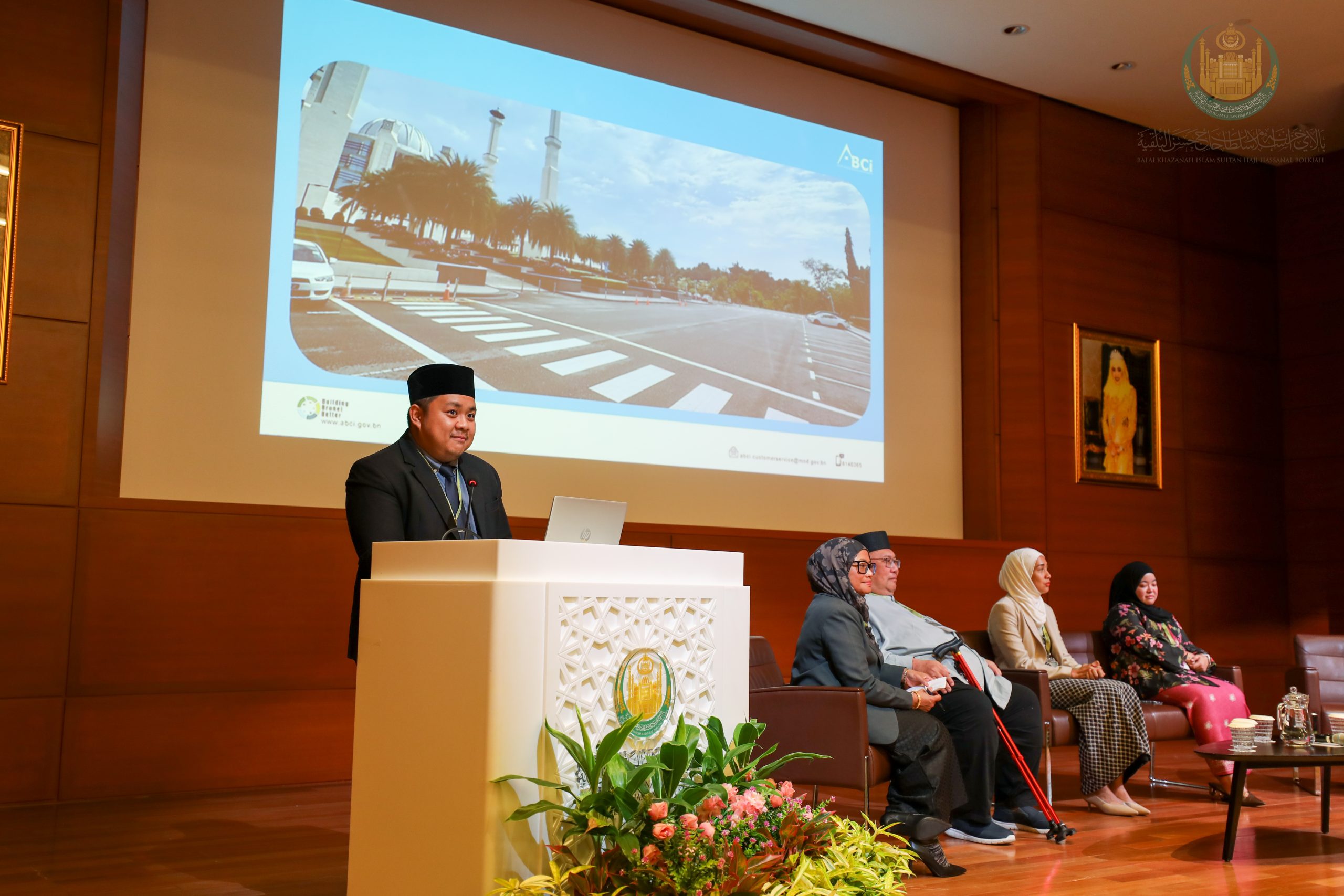
The 2026 Islamic Architecture Symposium continued with its first presentation session in the afternoon, held at the Sultan Haji Hassanal Bolkiah Islamic Khazanah Hall (BKISHHB).
Present as the Guest of Honour was the Deputy Minister of Development, Yang Mulia Dr. Nor Imtihan binti Haji Abdul Razak.
The first presentation was delivered by Dr. Haji Mohd. Rozan bin Dato Paduka Haji Mohd. Yunos, president of the Brunei History Association (PESEBAR), titled “From Kampong to Dome: The Evolution of Islamic Architecture and Sustainable Practice in Brunei.”
In his presentation, Dr. Haji Mohd. Rozan emphasized that the paper traces the historical evolution of Islamic architecture and the innovations driving its development, with a specific focus on Brunei Darussalam as a convergence point for both global and regional architectural trajectories.
Beginning with the 7th-century Prophet’s Mosque in Medina and progressing through the structural innovations of the Umayyad, Abbasid, Mughal, and Ottoman eras, the study identifies the advancements in technology, materials, and aesthetics that shaped each period.
“The study also examines how Islamic architecture transformed as it spread to Southeast Asia, where the tropical climate, vernacular Malay building traditions, and trade networks gave rise to new forms, such as multi-tiered wooden mosques and stilt house structures.
“Within this broader narrative, Brunei Darussalam occupies a unique position: its architectural record spans from the millennium-old Kampong Ayer to the Omar ‘Ali Saifuddien Mosque (1958) and Jame’ ‘Asr Hassanil Bolkiah (1994), and is now evolving into green building practices in line with Wawasan Brunei 2035,” he explained.
He added that by utilizing a qualitative, interpretive-historical methodology, the paper argues that each stage of evolution is not a break from tradition, but rather an innovation built upon it. Contemporary sustainability efforts in Brunei Darussalam are thus understood as the latest chapter in an ongoing story of architectural adaptation.
The findings of this study contribute to a more comprehensive understanding of the history of Islamic architecture, while demonstrating how innovation, climate, culture, and faith interact within the built environment of a historically significant small Sultanate.
Meanwhile, Acting Senior Architect from the Public Works Department, Ar. Ruzanna Musfirah binti Haji Saji, in her presentation titled “Architecture of Faith: Built Heritage and the Ideology of Islamic Architecture in Brunei Darussalam,” explained that architecture is not merely the creation of physical structures. At its best—when planned with sincerity, designed with meticulous care, and built with honesty—it becomes a manifestation of values, ethics, and devotion (ibadah).
This paper argues that strengthening public confidence in high-rise public housing requires far more than mere physical construction.
The main focus of this afternoon’s presentation abstracts is the Evolution of Islamic Architecture, tracing from the Prophet’s Mosque in Medina (7th Century) to the innovations of the Umayyad, Abbasid, Mughal, and Ottoman eras. Advancements in technology, materials, and aesthetics shaped each distinct period.
Brunei Darussalam serves as a convergence point for global and regional traditions—ranging from Kampong Ayer to modern mosques and green building practices aligned with Wawasan Brunei 2035. “Each stage of evolution is not a break from tradition, but rather an innovation built upon it.”
Meanwhile, the Architecture of Faith & Ideology frames architecture as a manifestation of values, ethics, and devotion (ibadah). The Malay Islamic Monarchy (MIB) philosophy acts as the national framework, mapped directly to the Maqasid Shariah (the preservation of faith, life, intellect, lineage, and wealth). A portfolio of eight projects (encompassing mosques, schools, and public spaces) demonstrates Islamic principles in design, reflecting that barakah (blessing) is attained through sincerity, responsibility, and community service.
Next, Inclusive Design & Barakah. The Differently Abled Guidelines (2018) introduced accessibility features, including assistive listening systems, Braille signage, mobility pathways, and family-friendly facilities. Enforced by ABCi, these efforts reflect the concept of rahmatan lil ‘alamin (a mercy to all creation), rendering accessible design a manifestation of barakah (blessing) that enhances the community’s quality of life.
Meanwhile, High-Rise Public Housing represents a transition from horizontal to vertical housing due to urban land constraints. The H40 Lambak Kanan pilot project demonstrates potential but also highlights challenges in management, maintenance, and strata ownership. Future success relies on three pillars: architectural dignity, policy and management readiness, and community cohesion. The principles of Wasatiyyah (moderation) and Maqasid Shariah serve as the foundation for balanced development.
In summary, all four abstracts emphasize that Islamic architecture in Brunei Darussalam is not merely about physical forms, but rather a continuity of tradition, a manifestation of faith-driven values, the application of sustainability, social inclusivity, and an effort to build public trust within a modern context.
The moderator for the presentations was Dr. Rozia binti Haji Adenan, Assistant Professor and Architecture Programme Leader at Universiti Teknologi Brunei. The session concluded with a question-and-answer period.
Prepared by the Department of Technical Services under the Public Works Department, this presentation advances a central argument: in Brunei Darussalam, barakah (blessing) is not a coincidence of form, but a consequence of intent.
Geared toward architects and international visitors, the session offers a perspective from Brunei’s public sector on how the ideology of Islamic architecture is tangibly manifested through a portfolio of eight current projects.
It proposes that mosques, schools, and public spaces are not separate typologies, but rather variations of a single ‘architectural verse’—written in the grammar of the Malay Islamic Monarchy (MIB) philosophy and aligned with the Ministry of Development’s Strategic Plan 2024–2029. When that verse is faithfully executed, barakah naturally follows.
Architect from Authority on Building Control and Construction Industry (ABCi), Awang Haji Mohd. Farihin bin Haji Mohd. Jaafar, delivered a presentation titled “Manifesting Barakah: Different Abilities Design Guidelines.”
He stated that as Brunei Darussalam prepares for an aging population and moves toward a more inclusive society, implementing universal design and access-friendly built environments reflects not only a social responsibility but also the Islamic principle of barakah (blessing).
He added that in Islam, the effort to create spaces that alleviate hardship, preserve dignity, and enhance the well-being of all members of society—including the elderly, differently abled individuals, families, and children—is an expression of compassion and collective benefit.
The final presentation was delivered by Executive Architect from Housing Development Department, Ar. Nur Hafizah binti Mohammad, titled “The Next Chapter: Strengthening Trust towards Vertical Public Housing in Brunei Darussalam.”
For decades, she explained, the National Housing Scheme has stood as one of the most significant national commitments in Brunei Darussalam, providing homeownership opportunities and dignified living environments for generations of citizens.
However, as land availability in urban areas becomes increasingly constrained and housing demand remains concentrated within the Brunei-Muara District, the transition from horizontal housing to high-rise public housing has become a strategic necessity and a generational responsibility.
Despite a clear strategic rationale, public acceptance and confidence regarding high-rise living in Brunei Darussalam remain cautious. The experience of the H40 Lambak Kanan Pilot Project—the nation’s first vertical public housing development—revealed both the potential and the shortcomings of this transition. While the development demonstrated commendable architectural intent and community-oriented planning, unresolved issues surrounding management structures, maintenance readiness, ownership frameworks, and strata implementation have raised concerns regarding long-term habitability and public trust.