
DILLENIA SUFFRUTICOSA
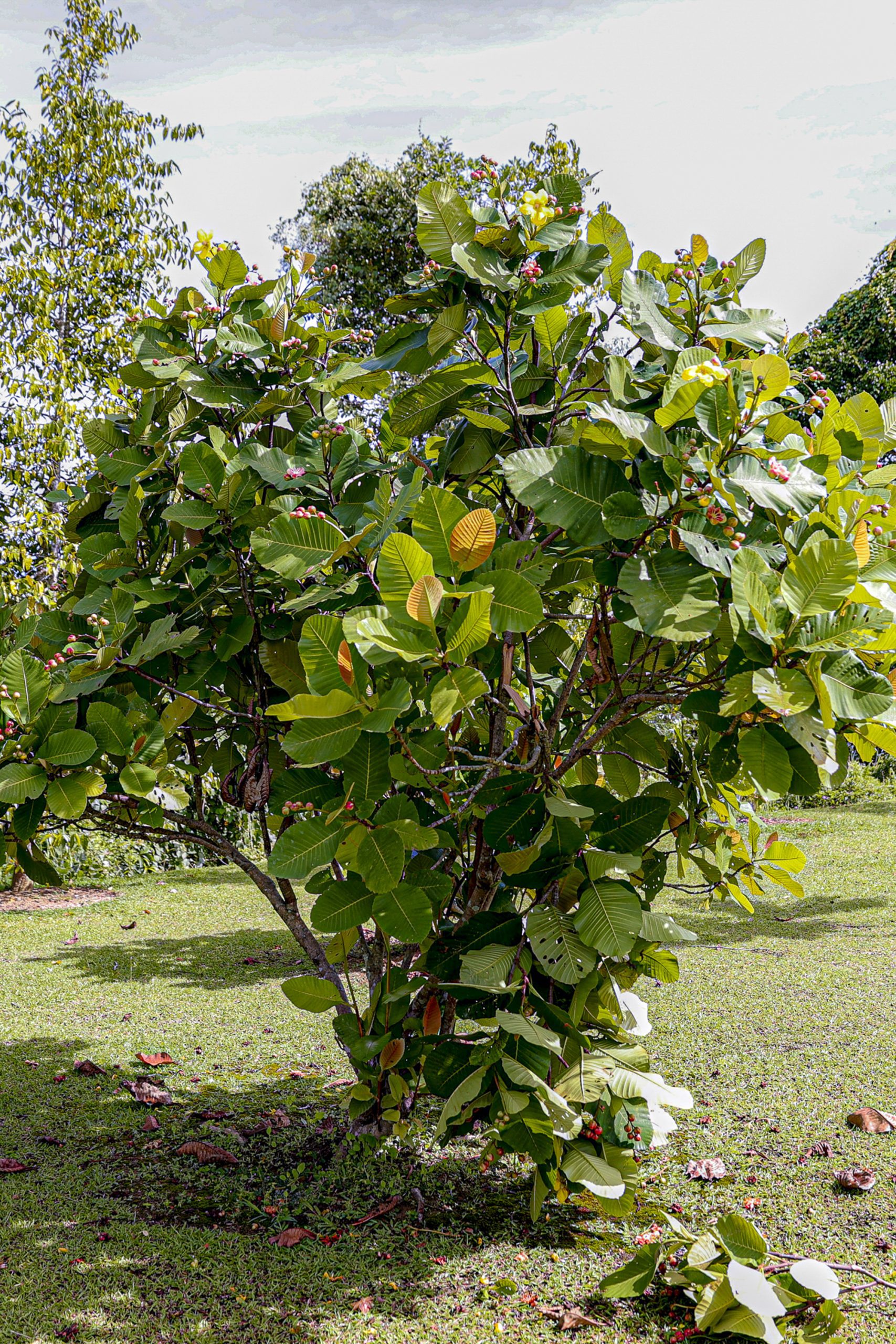
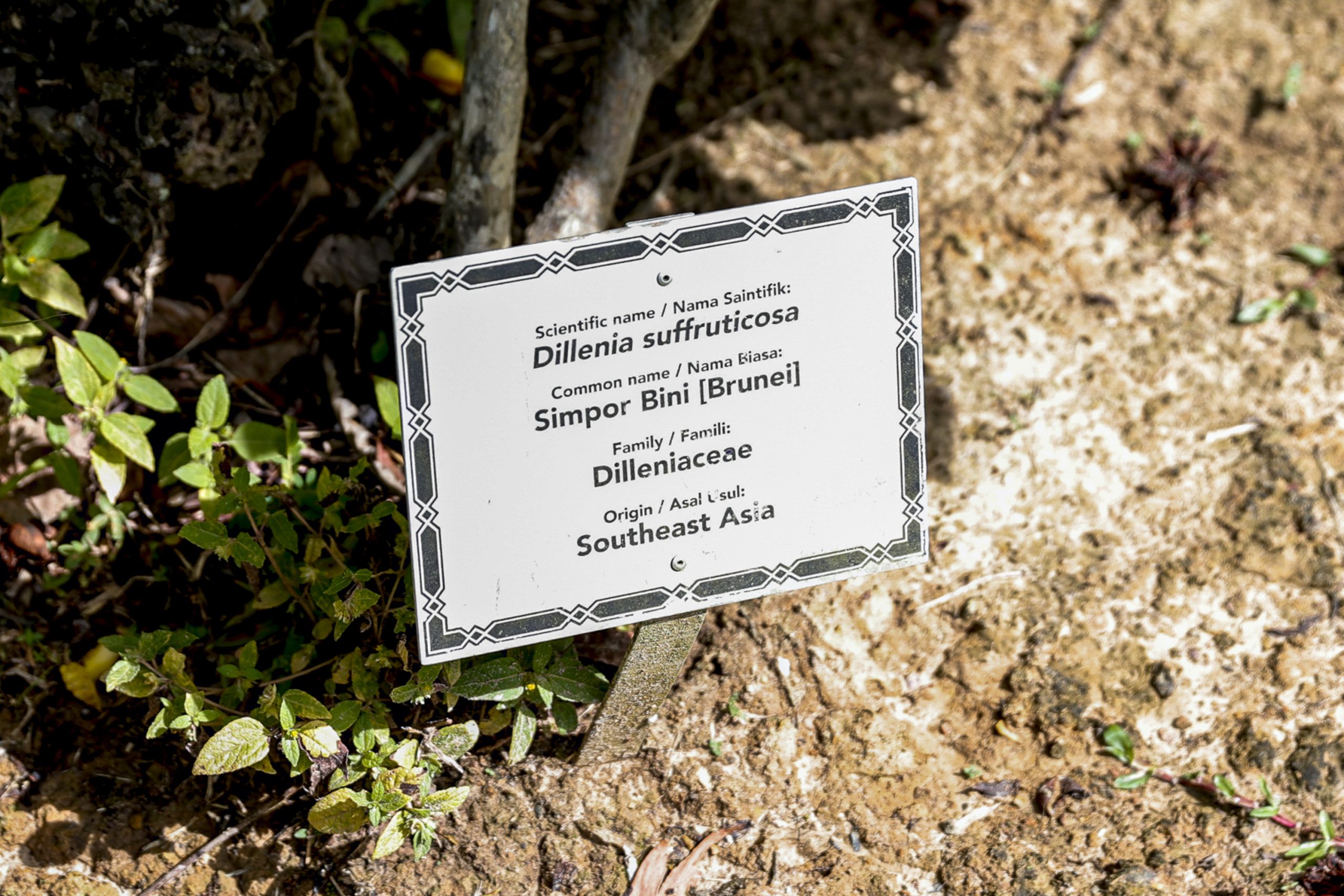
Simpur, belonging to the genus Dillenia, encompasses several species of evergreen trees and shrubs native to Southeast Asia. These plants are characterized by their glossy, leathery leaves, large and showy flowers, and distinctive fruits. Simpur trees can vary in size depending on the species, with some growing into large trees while others remain as shrubs.
Taxonomy:
- Kingdom: Plantae
- Clade: Angiosperms
- Order: Dilleniales
- Family: Dilleniaceae
- Genus: Dillenia
- Species: Several species within the genus Dillenia are referred to as simpur, including Dillenia suffruticosa, Dillenia excelsa, and Dillenia reticulata.
Common Names:
- Brunei: Simpur
- Malay: Simpur
Habitat and Distribution:
Simpur species are typically found in tropical rainforests and lowland areas across Southeast Asia, including Brunei, Indonesia, Malaysia, Thailand, and the Philippines. They prefer moist, well-drained soils and are often found near rivers or in areas with high humidity.
Uses:
- Ornamental: Simpur trees are valued for their attractive foliage and showy flowers, making them popular choices for landscaping and ornamental gardens.
- Timber: The wood of some simpur species may be used in local carpentry or for making small wooden items.
- Traditional Medicine: Various parts of simpur plants have been used in traditional medicine for their purported medicinal properties.
Medicinal Properties:
- Simpur plants have been traditionally used in Southeast Asian folk medicine for various purposes, including treating skin conditions, digestive issues, and respiratory ailments. However, specific medicinal properties and uses may vary depending on local traditions and practices.
Uses in Islam:
There are no specific references to simpur in Islamic texts. However, plants and trees, in general, are valued in Islamic tradition for their natural beauty and as signs of Allah’s creation.
Fun Fact:
In Brunei, Simpur is considered a national flower and is featured on the country’s currency and official emblems. It holds cultural significance and is often celebrated in local folklore and traditions.