
FICUS CARICA
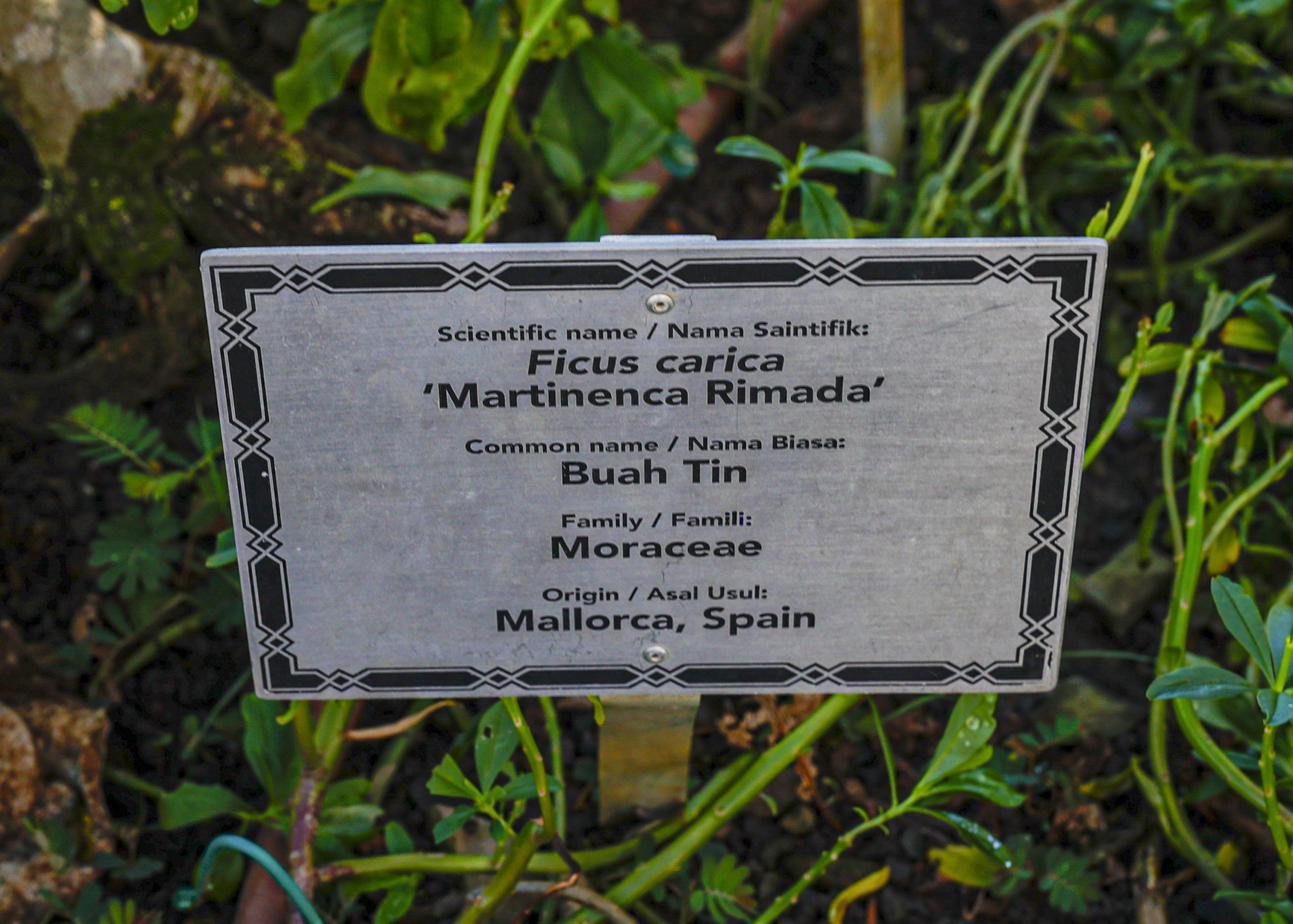
Ficus carica, commonly known as the common fig, is a deciduous tree or large shrub that can grow up to 7–10 metres tall. It has smooth, grey bark and a dense, spreading canopy. The leaves are large, deeply lobed, and rough on the upper surface, giving the tree a distinctive appearance. The tree produces unique inflorescences called syconia, which mature into edible figs. These figs are pear-shaped and vary in colour from green to purple or brown when ripe. The flesh inside is sweet and contains numerous small seeds.
Taxonomy
- Kingdom: Plantae
- Clade: Angiosperms
- Clade: Eudicots
- Order: Rosales
- Family: Moracease
- Genus: Ficus
- Species: Ficus carica
Habitat and Distribution
Ficus carica is native to the Middle East and Western Asia. It has been cultivated since ancient times and is now widely grown in temperate regions around the world, including the Mediterranean, parts of Asia, and the Americas. The tree prefers warm climates and is often found in rocky and dry areas, thriving in well-drained soils and full sunlight.
Common Name
- English: Common Fig
- Malay (Brunei): Pokok Ara, Buah Ara
- Arabic: تين (Tin)
- French: Figuier
- Italian: Fico
Uses
- Edible Uses: The fruit of Ficus carica is consumed fresh or dried and is used in various culinary dishes, including desserts, salads, and baked goods. It is also processed into jams, preserves, and beverages
- Wood: The wood of the fig tree is used in various local crafts and for fuel.
- Ornamental: The tree is often planted for ornamental purposes in gardens and parks due to its attractive foliage and fruit.
Medicinal Properties
Ficus carica has been traditionally used for its medicinal properties, which includes:
- Digestive Aid: The fruit is known to help with digestive issues such as constipation due to its high fiber content.
- Anti-inflammatory: The latex from the tree has been used to treat skin inflammations and warts.
- Blood Pressure Regulations: The potassium content in figs helps to maintain blood pressure levels.
- Respiratory Health: The leaves and fruit are used in traditional remedies for respiratory conditions like bronchitis and coughs.
Uses in Islam
In Islamic tradition, the fig is considered a blessed fruit. It is mentioned in the Quran, specifically in Surah At-Tin (The Fig), highlighting its significance.
Fun Fact:
Ficus carica has unique pollination system involving fig wasps. Each fig variety is typically pollinated by its own specific wasp species in a mutualistic relationship that has evolved over millions of years.