
PIPER BETLE (BETEL LEAF)
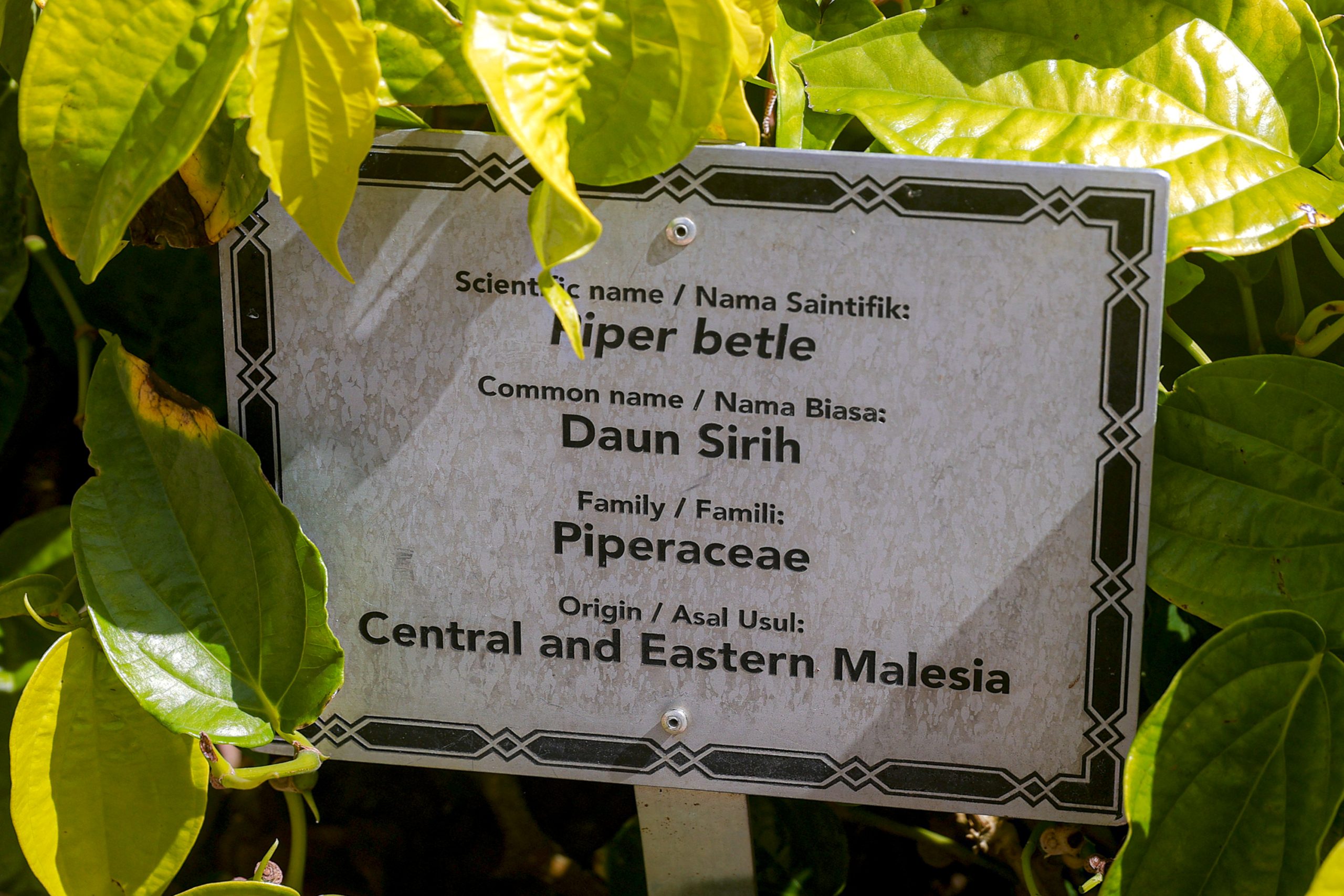
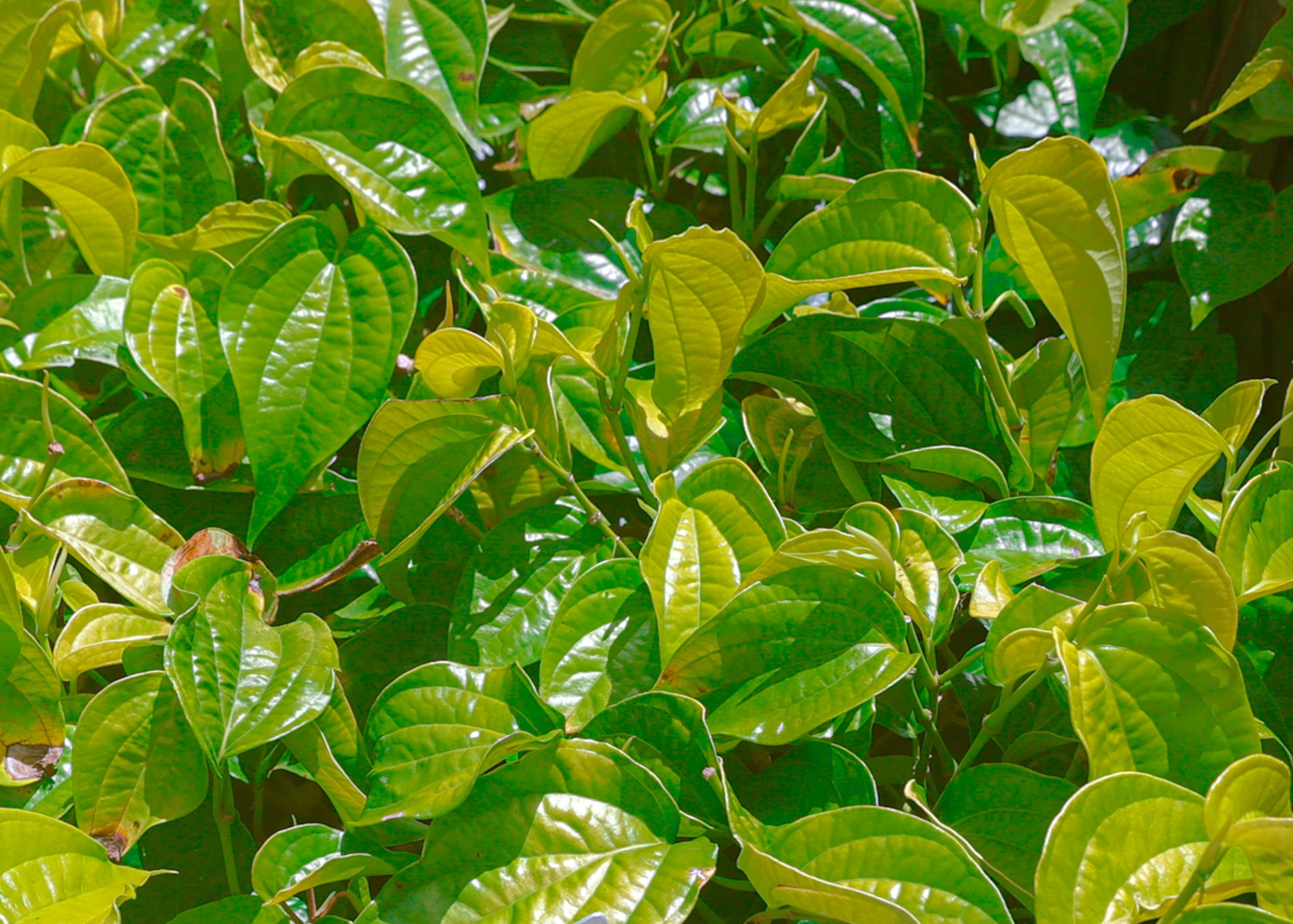
Piper betle is a perennial, evergreen vine belonging to the Piperaceae family. The plant is characterized by its heart-shaped, glossy, and aromatic leaves. It climbs using adventitious roots and can reach lengths of up to 5 meters. The leaves are alternate, simple, and cordate, with a distinct pungent aroma when crushed.
Taxonomy:
- Kingdom: Plantae
- Clade: Angiosperms
- Order: Piperales
- Family: Piperaceae
- Genus: Piper
- Species: Piper betle
Common Names:
- English: Betel Leaf
- Malay (Brunei): Daun Sirih
- Indonesian: Daun Sirih
- Chinese: 蒌叶 (Lóu yè)
Habitat and Distribution:
Piper betle is native to Southeast Asia and thrives in tropical climates. It grows well in warm, humid conditions with well-drained soils. The plant is commonly found in countries like India, Sri Lanka, Malaysia, Indonesia, Thailand, Vietnam, and the Philippines.
Uses:
- Culinary: Betel leaves are often chewed with areca nut and lime, a practice known as “betel quid” or “paan.” This mixture is a mild stimulant and has cultural significance in many Asian countries.
- Medicinal: The leaves are used in traditional medicine for their antiseptic, anti-inflammatory, and digestive properties. They can be applied topically for wounds and infections or consumed to aid digestion and relieve respiratory issues.
- Cultural Practices: Betel leaves play an essential role in various cultural and religious ceremonies across Southeast Asia. They are often used in traditional rituals, celebrations, and as offerings.
Medicinal Properties:
- Antiseptic: Betel leaves contain essential oils with antiseptic properties, making them effective in treating wounds and infections.
- Anti-inflammatory: The leaves are used to reduce inflammation and treat conditions like arthritis and sore throats.
- Digestive Aid: Chewing betel leaves stimulates saliva production and digestive enzymes, aiding digestion and preventing bloating.
Uses in Islam:
While betel leaves are not specifically mentioned in Islamic texts, they are widely used in regions with significant Muslim populations. The consumption and use of betel leaves are generally accepted as long as it does not lead to intoxication or harm.
Fun Fact:
In Brunei, betel leaf, or “daun sirih,” holds cultural importance and is often used in traditional ceremonies and social gatherings. Offering “sirih pinang” (betel quid) to guests is a sign of respect and hospitality. This practice involves wrapping slices of areca nut and a bit of slaked lime in a betel leaf, sometimes with added spices for flavor. It is believed to freshen the breath and provide a mild stimulating effect.