
ALOE VERA
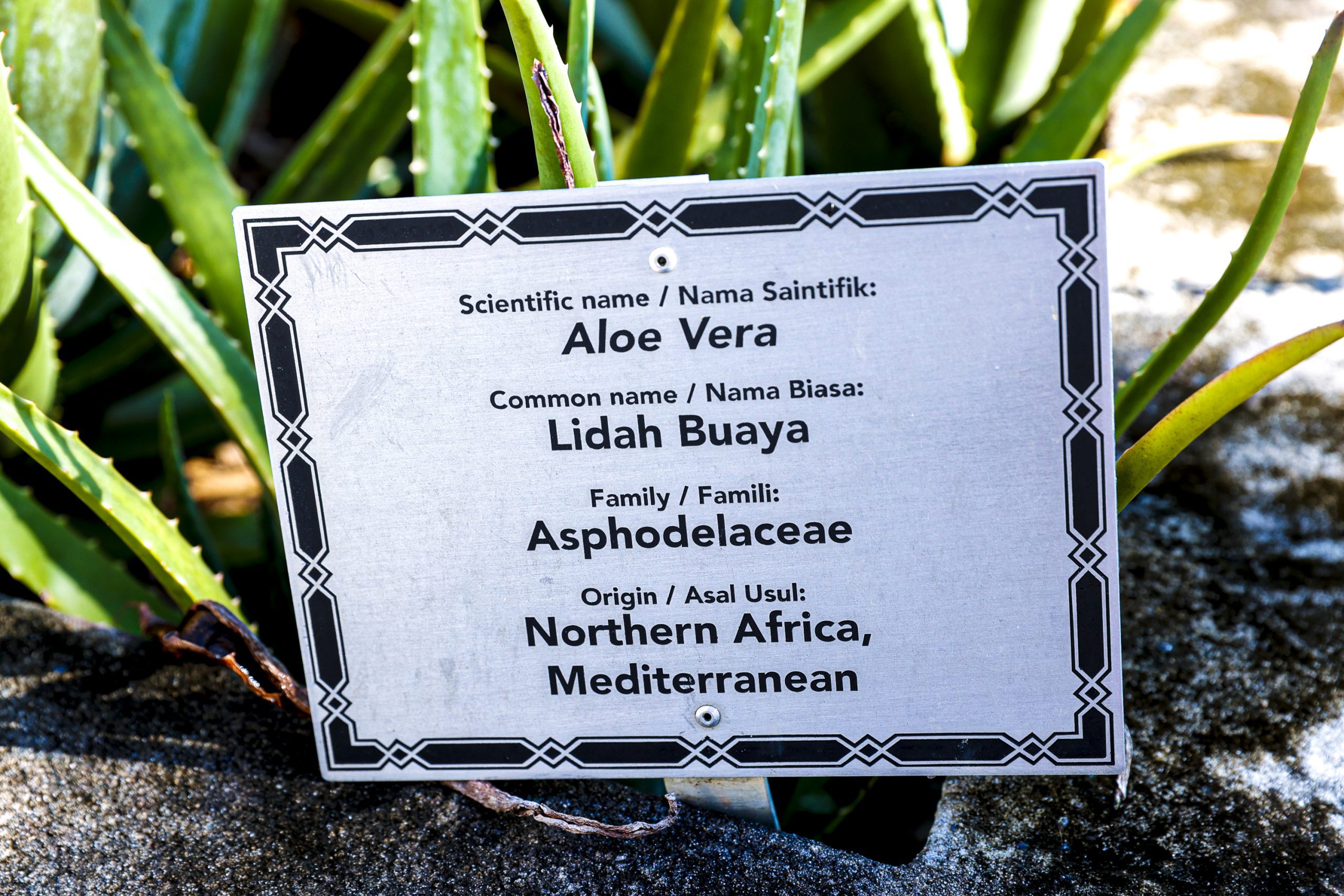
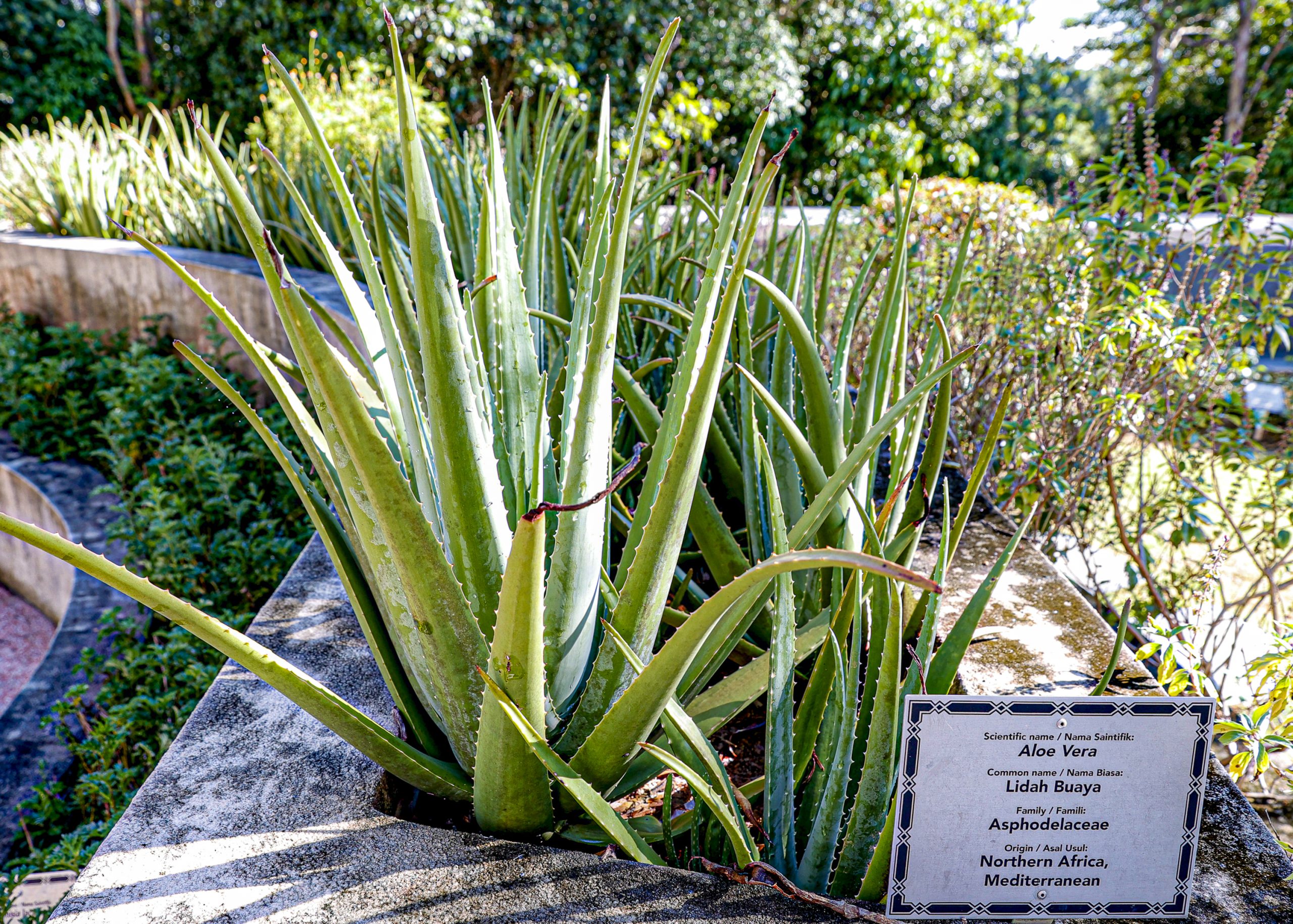
Aloe vera is a succulent plant characterized by its thick, fleshy, green to grey-green leaves. The leaves are lance-shaped with serrated edges and are arranged in a rosette pattern. The plant can grow up to 60–100 cm in height. The leaves contain a clear gel that is widely known for its soothing and healing properties. Aloe vera produces tubular, yellow to orange flowers on a spike that can reach up to 90 cm in height.
Taxonomy:
Kingdom: Plantae
Clade: Angiosperms
Order: Asparagales
Family: Asphodelaceae
Genus: Aloe
Species: Aloe vera
Common Name:
English: Aloe vera, True Aloe, Medicinal Aloe
Malay (Brunei): Lidah Buaya
Spanish: Sábila
Hindi: Ghritkumari
Arabic: صَبِر (Sabr)
Habitat and Distribution:
Aloe vera is believed to have originated in the Arabian Peninsula but is now widely cultivated around the world, particularly in tropical, semi-tropical, and arid climates. It thrives in well-drained, sandy soils and requires minimal rainfall. The plant is highly tolerant of drought conditions and is commonly grown in regions such as Africa, India, China, and the Mediterranean.
Uses:
- Cosmetic and Skincare: Aloe vera gel is a common ingredient in skincare products due to its moisturizing and soothing properties. It is used in lotions, creams, and ointments to treat burns, cuts, and various skin conditions.
- Food and Beverage: The gel and juice of Aloe vera are used in various health drinks and supplements, claimed to have digestive and detoxifying benefits.
- Ornamental: Aloe vera is also grown as an ornamental plant due to its attractive foliage and flowers.
Medicinal Properties:
Aloe vera has a long history of medicinal use, including:
Skin Healing: The gel is widely used to treat burns, sunburns, and minor wounds due to its cooling and soothing properties.
Anti-inflammatory: Aloe vera contains compounds that reduce inflammation, making it useful for treating skin conditions such as eczema and psoriasis.
Digestive Health: Aloe vera juice is known to aid in digestion and relieve constipation.
Antimicrobial: The plant has antibacterial and antifungal properties, making it effective against various infections.
Immune Support: Aloe vera contains antioxidants that boost the immune system.
Uses in Islam:
In Islamic tradition, Aloe vera is valued for its healing properties and is often used in traditional medicine. It is mentioned in various Hadiths and is known for its benefits in treating skin conditions and digestive issues.
Fun Fact:
Aloe vera has been used for medicinal purposes for over 6,000 years. It was referred to as the “plant of immortality” by the ancient Egyptians and was used in the embalming process of pharaohs.