
ZIZIPHUS MAURITIANA
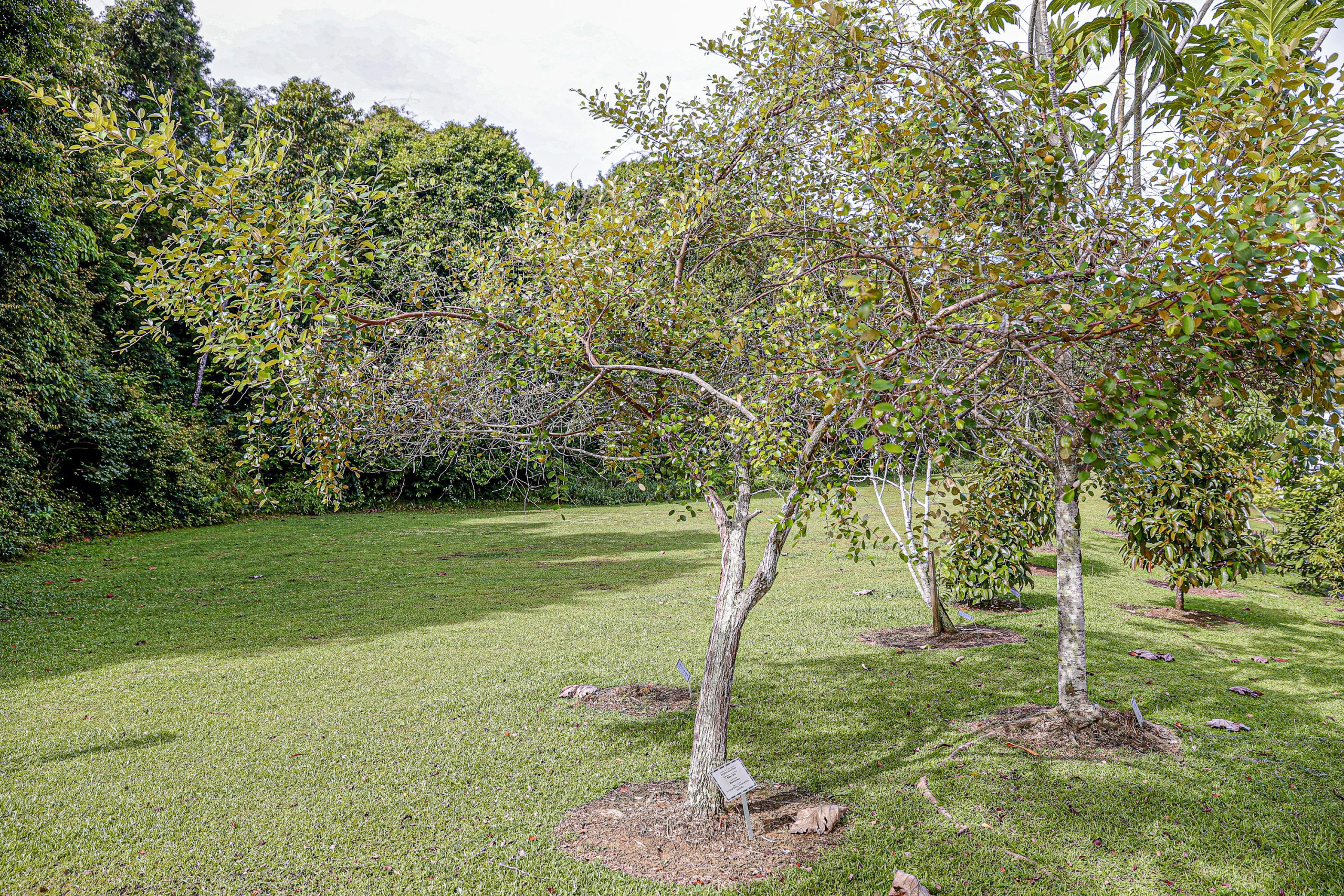
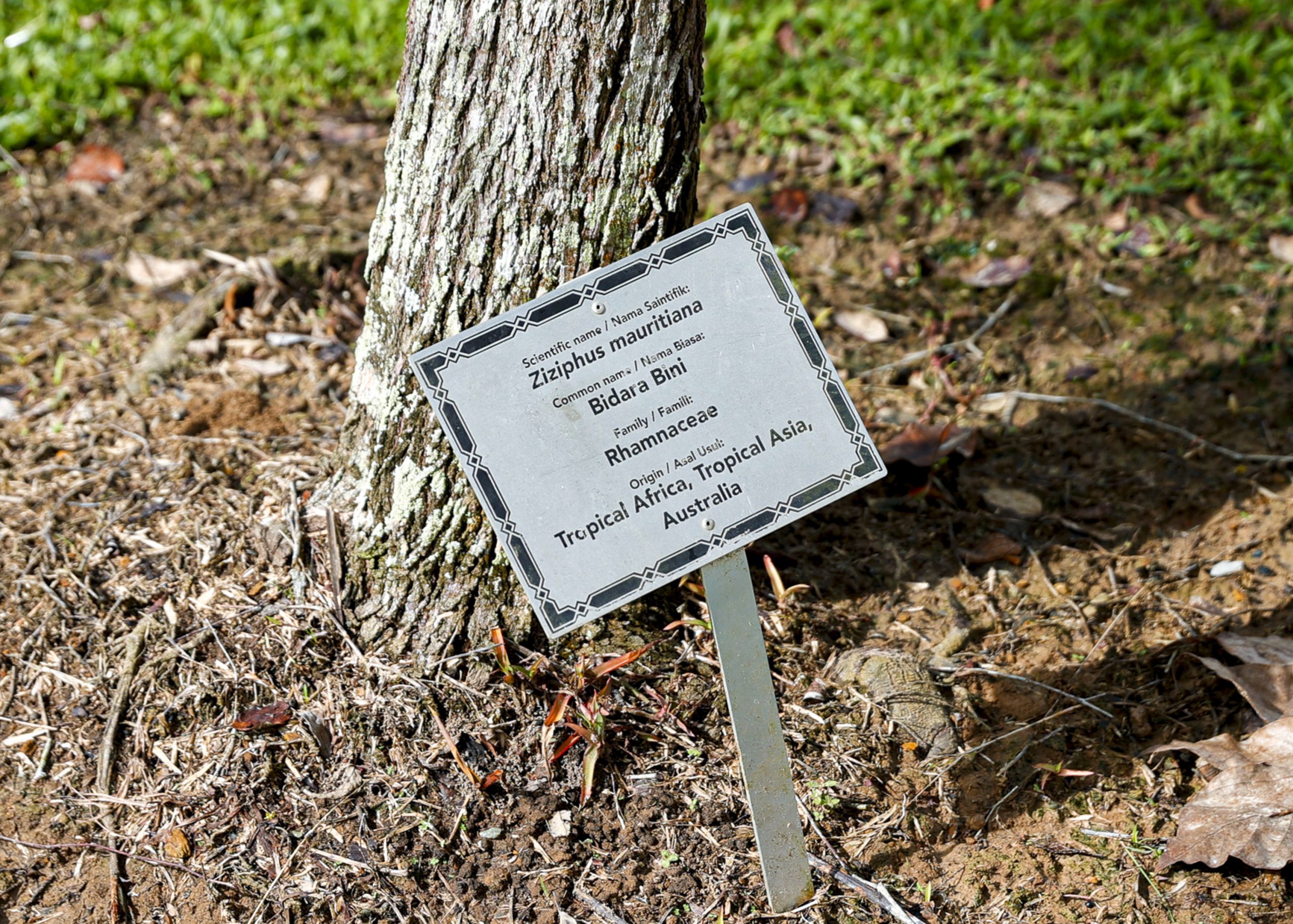
Ziziphus mauritiana, commonly known as Indian jujube, is a small to medium-sized tree reaching heights of up to 15 metres. It features a spreading crown and drooping branches. The leaves are ovate to oblong, glossy, and arranged alternately, with three prominent veins at the base. The flowers are small, greenish-yellow, and borne in clusters. The fruit is a drupe, varying in shape from round to oval, with smooth or slightly rough skin that turns yellow or reddish-brown when ripe. The pulp is white, crisp, and sweet to sour in taste, enclosing a single hard stone.
Taxonomy
- Kingdom: Plantae
- Clade: Angiosperms
- Clade: Eudicots
- Order: Rosales
- Family: Rhamnaceae
- Genus: Ziziphus
- Species: Ziziphus mauritiana
Habitat and Distribution
Ziziphus mauritiana thrives in tropical and subtropical regions. It is native to South Asia but has spread to various parts of Africa, the Middle East, and the Pacific Islands. The tree is hardy and drought-resistant, often found in dry, arid, and semi-arid regions, commonly growing in sandy or stony soils.
Common Name
- English: Indian Jujube, Ber, Chinese Apple
- Malay (Brunei): Bidara, Bidara Cina
- Hindi: Ber
- Chinese: 枣 (Zǎo)
- Arab: سِدْر (Sidr)
Uses
- Edible Uses: The fruit is consumed fresh, dried, or processed into candies, pickles and beverages. It is rich in Vitamin C and other nutrients.
- Wood: The wood is hard and durable, used for making furniture, tools, and construction materials.
- Forage: The leaves and young shoots are used as fodder for livestock.
Medicinal Properties
Ziziphus mauritiana is known for its wide range of medicinal properties:
- Antioxidant: The fruit contains high level of antioxidants
- Antimicrobial: Extract from the leaves, bark, and fruit exhibit antimicrobial activities.
- Anti-inflammatory: Traditionally used to reduce inflammation and pain.
- Digestive Aid: The fruit and leaves are used to treat digestive disorders.
- Sedative: The seeds are known for their sedative properties and are used to treat insomnia and anxiety.
Uses in Islam
In Islamic tradition, the leaves of Ziziphus mauritiana (bidara leaves) are used in various rituals:
- Ritual Washing: The leaves are used in the ritual washing (ghusl) of the deceased before burial.
- Protection: The leaves are sometimes used in religious practices for protection against evil spirits.
Fun Fact:
Bidara leaves can become a suprising source of protein, as they surpass the protein content found in many vegetables consumed by indigenous people in Borneo. This unexpected nutritional richness adds to the plant’s value as a dietary staple and highlights its potential as a sustainable source of protein in traditional diets.